Brisbane City Womens Homelessness Services
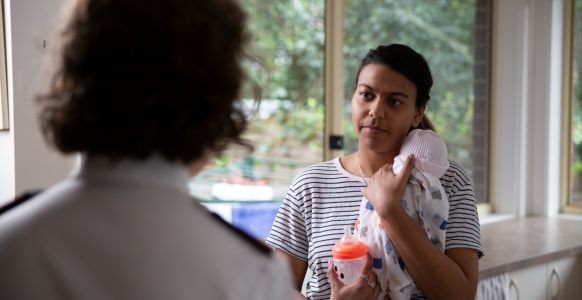
We understand that women’s housing challenges are often impacted by gendered differences, particularly when also experiencing domestic and family violence, trauma and other mental health concerns, disability, physical health concerns, child safety and family reunification.
At Brisbane City Women’s Homelessness Services, we support women and families who are experiencing homelessness and/or housing insecurity by providing Immediate Temporary Supported Accommodation and Mobile Support. These services are provided for duration based on a person’s assessed need, whereby support and accommodation is provided for as long as the participant requires support to obtain and maintain sustainable housing.
Immediate Temporary Supported Accommodation
Our immediate temporary supported accommodation is based in Brisbane and supports single adult women in need of temporary shelter. Participants of the service are offered case management to address issues that contributed to their experience of homelessness and are supported to transition to more secure and sustainable long-term housing.
Mobile Support
Our mobile support program supports participants transitioning out of the temporary supported accommodation service, as well accepting community referrals and self-referrals. It aims to provide case management services to women and women-led families either in their own home, temporary living situations, supported housing, in a community setting or in public spaces. This is inclusive of supporting people to navigate their tenancies and transition into, or between housing options. We also have a dedicated Family Focused Worker that provides case management to women-led families with complex support needs.
Our Approach to Case Management
We strive to adopt holistic approaches that address all aspects of people’s needs, identify people’s strengths and capabilities and encourage participants to actively participate, design and review the support that they receive.
Case Management may include assistance with:
- Transitioning to secure, sustainable long-term housing
- Addressing barriers to maintaining and gaining housing through connections & referrals to relevant support such as legal, financial, health and other services.
- Developing skills and rebuilding confidence to manage and sustain tenancies
- Connection to local support and resources in line with community development principles and in collaboration with our TSA Community Development Specialists.
The Priority Project
The Salvation Army and Mission Australia are founding partners for an innovative housing project called The Priority Project. This Project involves the prioritisation of private rentals to provide appropriate housing for women who have experienced domestic and family violence in Southeast Queensland.
The Project’s Partnership Broker works alongside real estate Property Managers to secure a home, and we provide transition and ongoing tenancy sustainment support for the women housed. This program provides extra support where needed to tenants who sign a Tenancy Agreement independently.
There are eligibility criteria for women applying, and referrals are through a Housing and/or Domestic and Family Violence Services who will ensure continuity of care throughout the tenancy. BCW accepts referrals where services are unable to provide ongoing case management, alongside being a referral partner.
Dedicated Chaplain
The Chaplains role is broad and varied with its emphasis on offering practical, emotional and spiritual support. Salvation Army Chaplains are skilled listeners who respect the religious traditions, faiths or beliefs of those who seek help. The highest level of professional confidentiality can be expected when you speak to a Chaplain.
Commitment to End Homelessness
The Salvation Army is committed to ending homelessness through the functional zero method. We aim to end homelessness whenever possible and, if not, ensure that it is brief, rare and non-re-occurring.
We are a Regional Member of Brisbane Zero and have involvement in a range of cohort strategies, alongside contributing data to the By-Name List and using the common screening tool - The Australian Homelessness Vulnerability Triage Tool (AHVTT) - to understand people's needs and match them with appropriate housing and support services.