Walking together: how lived experience is changing homelessness support
7 July 2026
After years of struggling with homelessness, addiction and profound personal loss, Salvation Army lived experience peer support worker Casey has worked hard to rebuild his life. Today, he draws on those experiences to encourage and empower others at Foster House in Sydney.
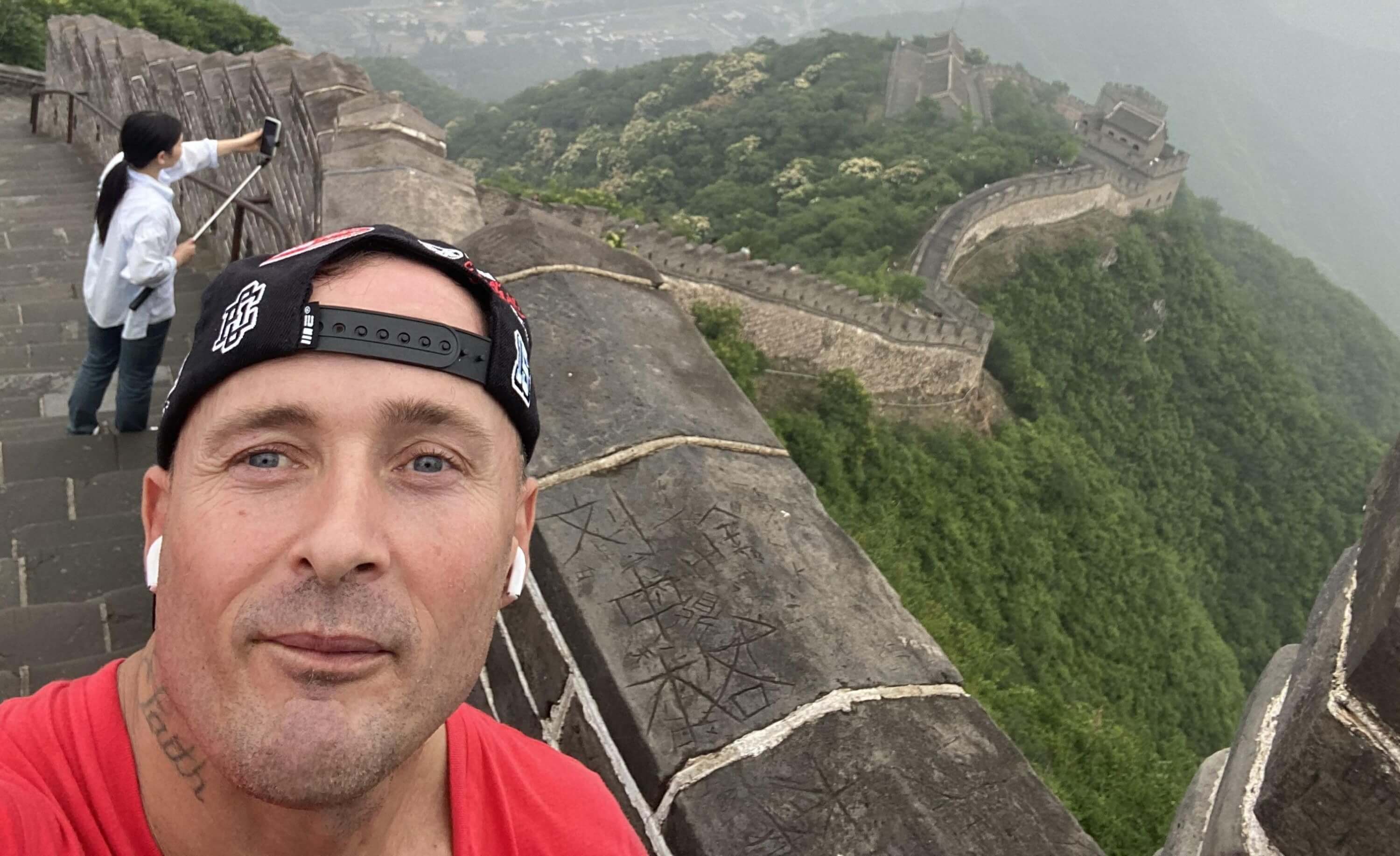
Forty-nine-year-old Casey has recently spent months training for a challenging Himalayan trek that will take him to Everest Base Camp.
Surrounded by some of the highest mountains on Earth, he will soon be standing in a place that once felt totally beyond reach — just like so many other milestones that had previously seemed impossible.
In recent years, Casey has restored important relationships, built a career, maintained a home and created a life he is proud of.
After a pain-filled and chaotic childhood, he had to learn from scratch how to live an ordinary life. He uses this experience to support men at The Salvation Army's Foster House, which provides crisis accommodation and homelessness support for men experiencing or at risk of homelessness.
For Casey, the mountains ahead are a reminder of just how far he has come.
"It's really pretty sad, my story," he says. "But there's also a lot of beauty."
A life of loss and survival
Growing up in Sydney's south-west, Casey describes himself as growing up in a "very violent household".
His father took his own life when Casey was 16.
If this story has raised difficult feelings for you, support is available. Contact Lifeline on 13 11 14, Beyond Blue on 1300 22 4636 or the Suicide Call Back Service on 1300 659 467. In an emergency, call 000.
Casey began his own struggles with addiction and, over time, experienced homelessness, incarceration and the many challenges that came with them.
By the age of 43, he had reached a turning point and began his recovery journey.
"I went to rehab just because I didn't know how to live in society and I didn't want to be in jail."
That decision changed everything.
More than five years later, he remains drug-free despite also losing both his brothers and his sister to the consequences of addiction, and his mother to cancer.
"I am a survivor, and recovery has shown me how to live," he says.
Rebuilding a stable and loving life
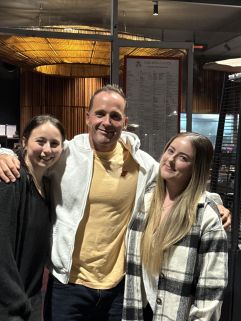 Faith, routine and accountability continue to play an important role in keeping Casey grounded.
"I do have faith. I go to a thing every Wednesday night where I learn about Jesus. He's my higher power. He's helped me a lot."
One of the most important and treasured parts of Casey's journey has been rebuilding relationships with his daughters.
"I definitely had to put in a lot of action and build a lot of trust. It was a slow process," he says.
"They're both really loving and both forgiving and they're just really proud of me and happy that I'm there for them. Everything's really beautiful."
Walking alongside others
Casey is passionate about his work as a lived experience peer support worker.
He has a deep understanding of many of the challenges Foster House residents face because he has lived many of them himself.
"I was homeless and stayed in shelters a long time ago, and stayed in many different places in the city,” Casey shares. These included Salvos services such as Foster House and non-Salvos services such as Matthew Talbot Hostel and others.
"I am grateful that these places protected me and gave me relief.”
Like many of the men he now supports, Casey had to learn many of life's practical skills as an adult — from getting his licence to managing money, maintaining a home and navigating everyday responsibilities.
Learn more about Homelessness Week, find support or advocate for change and help end homelessness in Australia — for good.
Casey says, "My role here is basically to build trust with the men. Give them someone to listen to and build a relationship where I get close enough to find out what their needs are.
"And get close enough to be able to share with them a little bit of my experience and how I actually changed the direction of my life. Maybe empower them, help them see that they actually have choices and share with them what I had to do to get to where I am."
Most days just mean spending time with residents.
That might include helping someone prepare for a job interview, taking them fishing, attending a recovery group or simply sitting and listening.
Casey believes his own experiences help build trust in ways that can't be taught.
"Most of the men here that I work with, at least 50 per cent of them have anxiety and things like that. So I think when I say to them, 'I know how you feel', they know that I actually do.
"I've walked the exact same path as many of these guys."
Why lived experience matters in homelessness services
For people experiencing homelessness, walking through the doors of a support service can feel overwhelming, especially in moments of fear, uncertainty and distress.
Kristie Clifton, State Manager Homelessness NSW/ACT for The Salvation Army, says lived experience peer support workers bring a unique kind of connection that cannot be learned in a textbook.
"When people come into a service, it can be incredibly overwhelming," Kristie says.
"You imagine walking into a big homelessness service for the first time and not knowing what happens next."
She says peer support workers are often able to recognise emotions and build trust with residents in ways others cannot.
"They're able to engage and connect with community members in a very different capacity, and that's critical for us," she says.
"Peer support workers sit with residents in some of the darkest moments of their lives and genuinely understand what they're going through."
Giving back what's been given
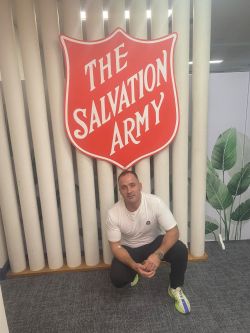 For Casey, helping others has become part of his own ongoing journey. Caring for others is important as it is healing for Casey as well and helps him feel like he is giving back some of the support he has been given.
"I'm giving back what's been given to me, which is a life," he says.
Today, he has a secure home, a career he loves, strong relationships with his daughters and Everest Base Camp on the horizon. He has worked hard to challenge himself, including walking the Great Wall of China and exploring the jungles of Borneo.
"I've always got something to look forward to," he says.
Asked what he would say to someone who feels lost and hopeless, Casey doesn't hesitate.
"I would say that hope and faith is an action. If you ask for help, there's people out there to help you. If you don't know how to do it, there's someone who can show you how to do it.
"And just never give up."
If you are worried about your housing, experiencing homelessness or need support, there are places you can turn to for information, advice and assistance.