Homelessness: a complex crisis in need of a multi-faceted solution
11 July 2025

By Carolyn Russell (Research Projects Officer), Stefano Verrelli (Research Analyst) and Ellie Taylor (Senior Research Analyst)
The meaning of home
A home can be defined as a physical space to live in. But that’s not all it is.
In reality, it’s a place that provides a profound sense of safety, security, comfort and peace. It is a place where people can feel a sense of belonging and connection to community, a space to grow, create memories and build a life. For many, a home is the foundational element of life that provides stability and the freedom to thrive.
However, this is not the case for thousands of Australians who experience homelessness each year.
What our research shows
The Salvation Army Research and Outcomes Measurement team conducts research projects each year to better understand the challenges and experiences faced by those seeking our help. Housing affordability and experiences of homelessness are critical issues for many people accessing our services.
The latest Red Shield Report examined the impact of rising housing costs among more than 3600 people who received support from our Doorways emergency relief services. The findings showed:
- More than 7 in 10 (71%) respondents were experiencing housing stress – spending a substantial portion of their income on accommodation.
- Nearly 1 in 3 (32%) respondents fell behind on their rent or mortgage repayments due to financial hardship, heightening the risk of eviction and homelessness.
- Another 3 in 10 (30%) experienced housing instability and moved several times in the past year because of the high cost of housing.
- For some, keeping a roof over their heads was a constant source of pressure and stress, with 1 in 3 (33%) worried about the real prospect of losing their home.
- 1 in 6 (17%) who completed the survey were without a home and 1 in 5 (19%) reported couch surfing or living in their car in the past 12 months.
Many respondents shared stories of hardship and struggles with homelessness. For some, the situation was dire.
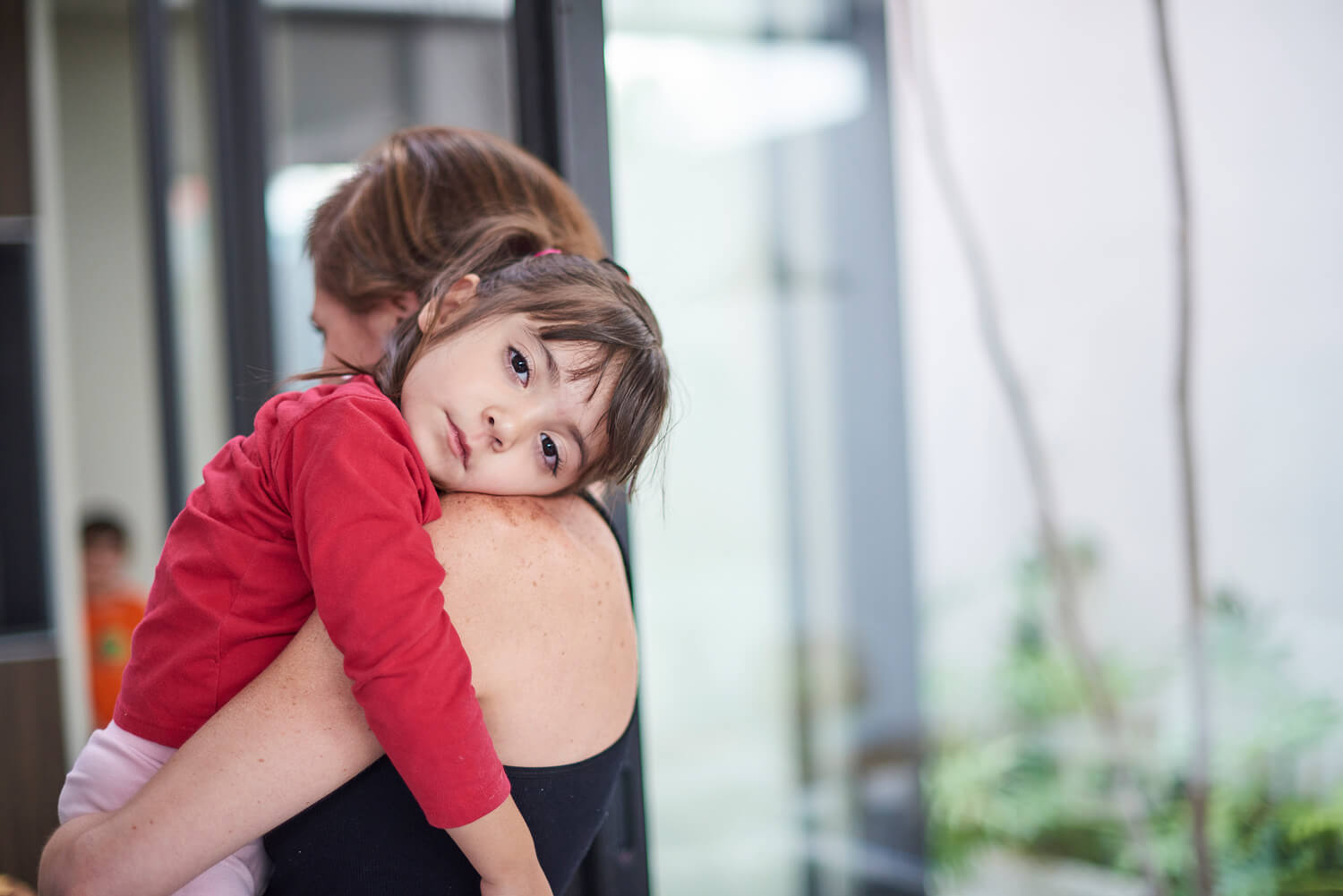
I was unable to pay my rent, which meant I lost my home. My children had to go and stay with their father until I could find somewhere new. I lived in my car for three months, then couch surfed for two more months after my car broke down.— 30-year-old woman, Victoria
Some other factors contributing to housing instability and homelessness included family violence, relationship breakdown, loss of employment, financial hardship, eviction and lack of suitable housing options, health and disability-related challenges, and even natural disasters — all leading people to seek help from the Salvos.
How we help
The Salvation Army supports people experiencing homelessness across most of our services, including Doorways emergency relief, family violence support, alcohol and other drugs support, youth services, but predominately through our specialist homelessness services.
The Salvation Army operates homelessness support services across every state and territory throughout the country. Services include a variety of programs such as accommodation, case management, assertive outreach support and financial assistance, as well as referrals to other internal and external programs and specialist services, to ensure people receive the help they need.
Each year, Salvos homelessness services assist approximately 40,000 people and provide more than 800,000 nights of accommodation to people in need. Homelessness services work alongside people, assisting them to find and maintain safe and stable housing. They also support people to build connections in their community to help them thrive and achieve a greater sense of belonging.
Measuring our impact
Delivering high quality support to Australians experiencing hardship and disadvantage is a key focus of The Salvation Army. Measuring our impact across the organisation is a critical strategic objective to determine how effective we are in delivering support to those in need.
Over the past 18 months, The Salvation Army research and homelessness teams have worked together to develop a national framework to measure the impact of our homelessness services. The framework is designed to collect information about the life outcomes people are achieving and provide evidence to demonstrate the extent to which our services are making a positive difference in the lives of those we support.
The pilot phase for the Homelessness Outcomes Measurement project has recently concluded, with promising results demonstrating a positive impact in people’s lives after engaging with our services.
Data collected during the pilot showed that 86% of clients reported the service met all or most of their needs, and 94% said that the support they received helped them better meet their goals.
One client shared: “I am so grateful that I was able to use this service. The help and support I received was absolutely amazing. I cannot thank everyone enough for the effort and time they put into helping myself and my daughters secure ourselves accommodation. Forever grateful.”
Lived experience insights
The research team — in their efforts to create a comprehensive data bank of information — also conducted face to face consultations across the country to gather in-depth accounts of people who had lived experience of homelessness. These consultations provided invaluable insights and informed the development of the Homelessness Outcomes Measurement framework, thereby ensuring we captured relevant and meaningful outcomes to include in the framework that truly reflected the needs and experiences of those seeking our services.
People shared with us the significance of safety, staying connected to other people and their communities, struggling with experiencing loneliness, and deteriorating mental health and wellbeing while living without a home. Community members also highlighted the importance of being treated with dignity and wanted to be seen and heard by service staff — a voice and sense of agency were key.
Many were realistic and acutely aware of the current housing crisis in Australia, yet remained focused on the goal of securing and maintaining housing that they could afford that was safe, stable and suitable for their needs or family situation.
Eradicating homelessness — The Salvation Army goal
Homelessness is a widespread issue in Australia, and it does not discriminate — it can affect anyone, regardless of age, background or life circumstance. While anyone can experience homelessness throughout their lives, certain individuals are more vulnerable due to a complex mix of factors such as mental health challenges, domestic violence, unemployment and systemic inequality. And the ongoing housing affordability crisis has only worsened the situation. A surge in rental costs, increasingly competitive rental markets and long waitlists for public and social housing mean thousands of individuals and families have and continue to be forced into precarious living situations and potentially homelessness. While there is no quick or simple solution to homelessness, when we work together, we can drive real and lasting change.
Measuring the impact of what we do at The Salvation Army is vital to understanding whether our efforts are truly making a difference and contributing to sustainable outcomes. We remain committed to continually improving our approach and delivering high-quality, compassionate services that support people experiencing hardship and disadvantage. Our goal is to do better every day, providing help where it’s needed most and working toward a future where everyone has a safe and stable place to call home.