
Latest news
An open book: how lived experience is changing homelessness support
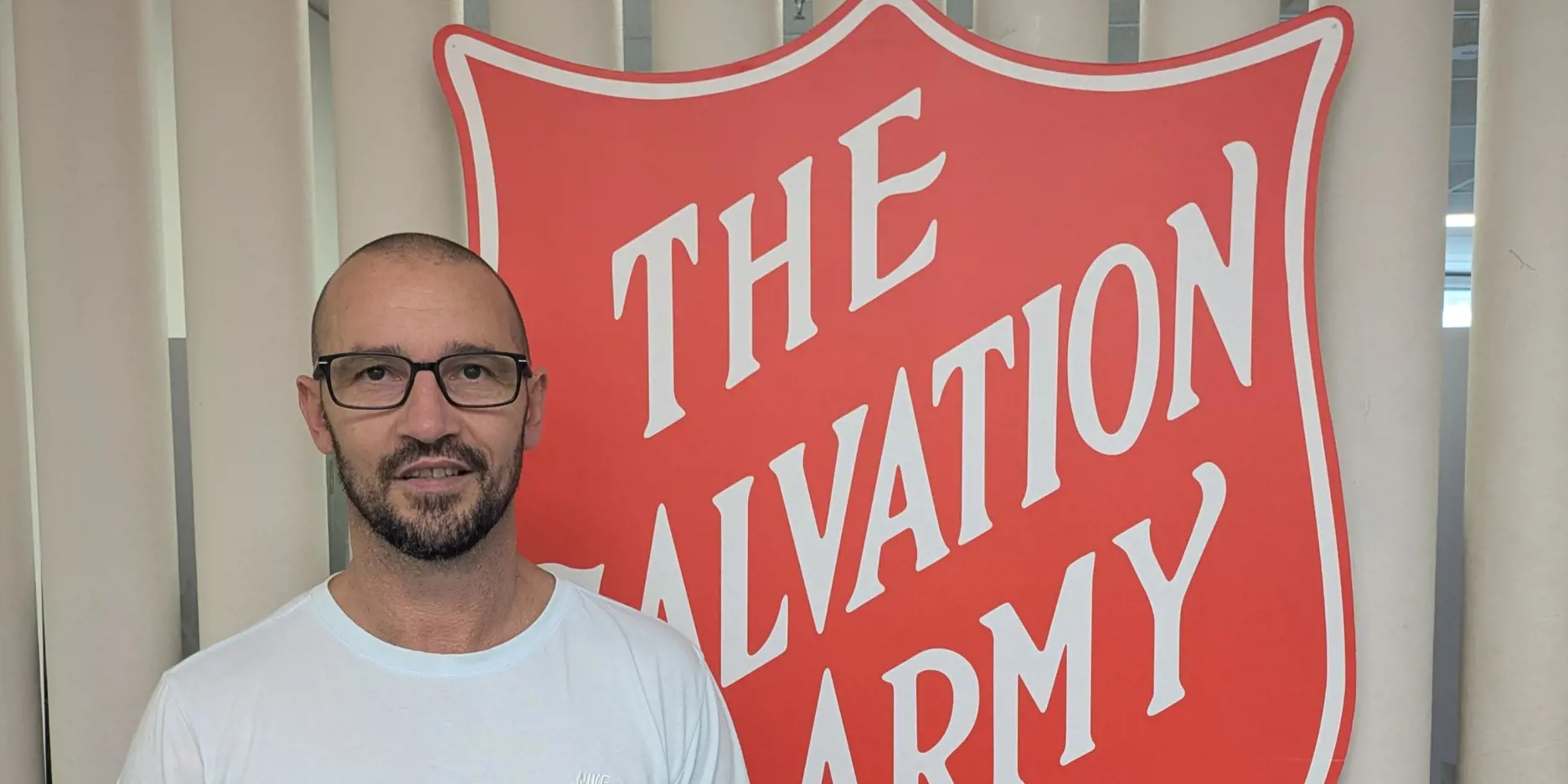
Lived experience peer support worker Natham knows first-hand how powerful honesty and human connection can be for people experiencing homelessness.
Today, he uses his own experiences to build relationships, trust and hope with residents at The Salvation Army’s Foster House crisis accommodation service in Sydney.
More than 20 years ago, as a young man, Natham arrived at a rehabilitation service after being bailed there by the courts — afraid, ashamed and defensive after years of substance use, homelessness and other challenges.
During the intake, a worker noticed Natham’s discomfort and asked Natham’s father to leave the room for a short time. The worker then shared their own harrowing experiences of drugs, alcohol, homelessness and recovery.
Natham says this moment of openness and honesty was pivotal in his life.
“It was really powerful,” he says. “Before that I was all jammed up and thinking I was going to be judged. A closed book. It just changed the game for me.”
He believes it made the difference between remaining guarded and defensive and becoming open to trust, honesty and change.
Using lived experience to support others
Today, Natham carries that lesson about being an ‘open book person’ into his role as a lived experience peer support worker at The Salvation Army’s Foster House in Sydney. Many of the men he supports have experienced homelessness alongside challenges with mental health and substance use.
Natham is one of a growing number of Salvation Army lived experience peer support workers contributing to homelessness support across NSW. They bring not only professional expertise, but personal understanding of many of the challenges people face.
Based in inner-city Sydney, Foster House provides accommodation and support for men experiencing or at risk of homelessness. Crisis support, case management and referrals to services such as health care, mental health support and alcohol and other drug recovery programs help residents build stability and work towards secure housing.
Natham brings not only qualifications and training to his role, but a deep passion for recovery and supporting people to rebuild their lives.
Natham’s journey with homelessness and recovery
Looking back at his own journey, Natham says ‘pot’ and alcohol entered his life early, later progressing to other drug use and addiction, homelessness, experiences of violence and involvement with the justice system.
Natham’s parents divorced when he was two, and some difficult childhood experiences affected his wellbeing. He also struggled with the vastly different expectations his parents had of him.
Natham’s father, a teacher, wanted him to get a good education. However, after his childhood experiences, all Natham wanted was to live independently. When he was introduced to heroin at 17, addiction became all-consuming. After leaving home early, he also experienced periods of homelessness.
“I’ve slept in my car, I’ve pitched a tent in the bushes, I’ve couch surfed and slept in sheds,” he says.
Over time, Natham experienced periods of greater stability, including securing housing and building a career. But his journey was not straightforward, with periods of instability along the way.
As his life became more stable, Natham says he began to fully understand the toll that homelessness, involvement with the justice system and substance use had taken on his wellbeing and his life.
“I didn’t realise the level of instability until I had the stability,” he says.
“Addiction has probably been the number one struggle, but then all the things that come along with addiction like isolation, not seeing my children, mental health, an inability to build and maintain relationships, run-ins with the law, unemployment, rehab, all the things you would expect from long-term drug use.”
Today, Natham says strong support and accountability networks are essential to maintaining stability.
Building trust through peer support connection
Today, Natham has stable housing, a career he is passionate about, a relationship with his children and opportunities to travel.
His lived experience shapes the way he connects with residents at Foster House.
Much of his work happens not through formal appointments, but through conversations, shared activities, practical support and genuine relationships.
It might be a trip to the beach or a football game — seemingly casual activities that also create opportunities for connection.
“I build rapport with the residents here. I get to spend time with them where other workers don’t always have that same opportunity.
“Sometimes it’s just being social,” he says. “Sitting around talking about important stuff, not important stuff, what’s on the news, what movies we’ve watched, sport, hobbies, family — kind of anything and everything.”
Natham says those seemingly ordinary conversations can be vitally important.
Why lived experience matters in crisis care
For people experiencing homelessness, walking through the doors of a support service can feel overwhelming, bringing fear, uncertainty and distress.
Kristie Clifton, State Manager Homelessness NSW/ACT for The Salvation Army, says lived experience peer support workers bring a unique kind of connection that cannot be gained through study or education alone.
That lived understanding can help people feel less alone and more hopeful about their future.
“Sometimes just knowing someone else has survived something similar can make a huge difference,” Kristie says.
“They bring understanding, connection and hope.”
Hope through connection
More than 20 years after arriving at rehab frightened, ashamed and deeply closed off, Natham now spends his days helping others feel safe enough to open up and trust again.
Sometimes that connection simply provides human interaction and support. Other times, it becomes a bridge to case managers and other services.
“Sometimes you can feel there’s a real power imbalance when you go into a service and you need their help, but you are afraid of being judged or not worthy of getting your needs met. I certainly experienced that feeling,” he says.
“If they do need support, or I identify something, or the case managers or other support workers know an area that might need a conversation, we’ve got the rapport there to kind of open that up, where they feel a little bit safer and more comfortable.”
It’s those little moments and opportunities to support someone that Natham thinks can have the biggest impact.
“Even just having a simple positive interaction with someone! You never know the impact that may have. I know the impact it had on me long before I got clean.
“And recovery, I’m really passionate about that, whether it’s taking the guys to a 12-step meeting, one of the men’s groups we run around here or just sharing a little bit of my own story with them, so hopefully they don’t feel alone or different.”
Need homelessness help?
If you are experiencing housing stress, homelessness or need support, The Salvation Army may be able to help.
Find local support services:
Discover more about how lived experience is helping change homelessness support.
Related news