

Get help
Call us Monday to Friday, 9am–4pm.
Help is closer than you think
If you are experiencing financial hardship or are facing a crisis, contact us to discuss supports available. We can also help you navigate the services available throughout Greater Shepparton and Moira Shire, and assist with referrals to other support services such as employment services, legal services, mentoring and addiction rehabilitation centres.
Financial support
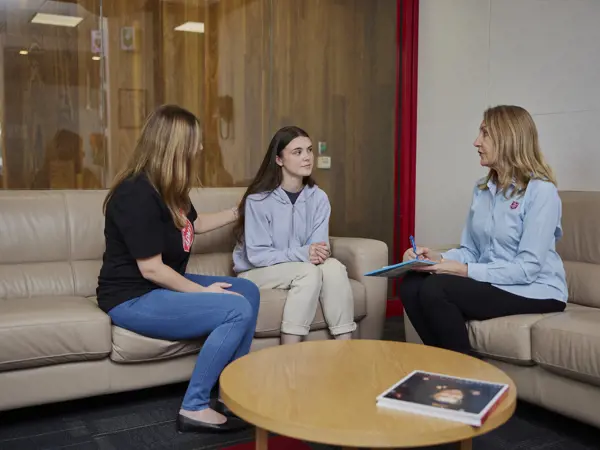
Financial support
A team member will have a compassionate conversation with you to understand your needs and let you know what help is available.
When you phone us, you may be told you're eligible for a voucher and directed to visit us for collection between Monday to Thursday, 9am–5pm.
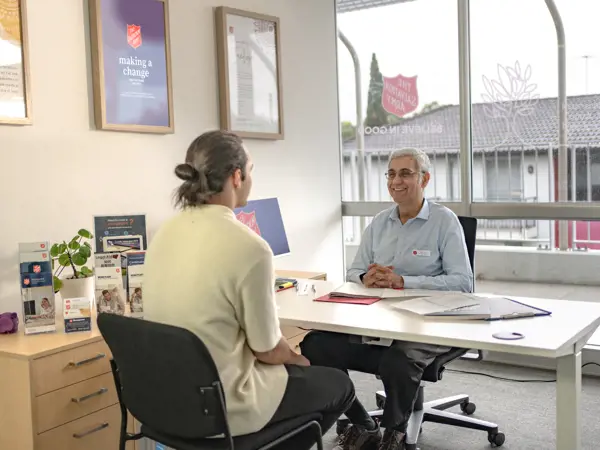
Financial counselling
Moneycare is here to help you feel in control of your finances. We can work with you to manage your debt, develop new strategies or point you in the right direction for a No Interest Loan.

Christmas support
Available from the first week of November.
You might be eligible for food and toy hampers or you might like to join one of our Christmas celebration events. We are here for you.
Homelessness services
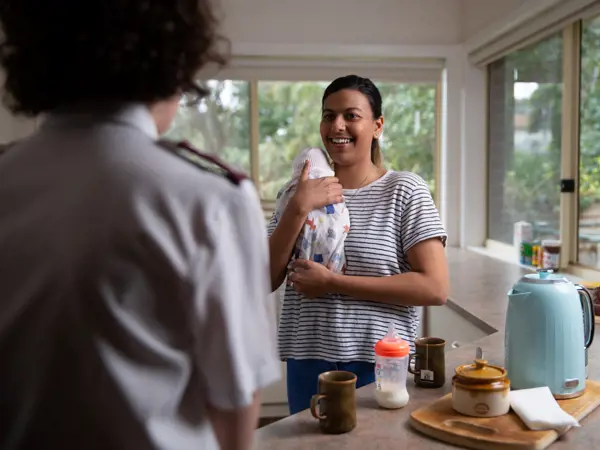
For families
Monday to Friday, 9am–5pm
Provides case management to families experiencing housing or homelessness issues who need a tailored “whole of family” approach.
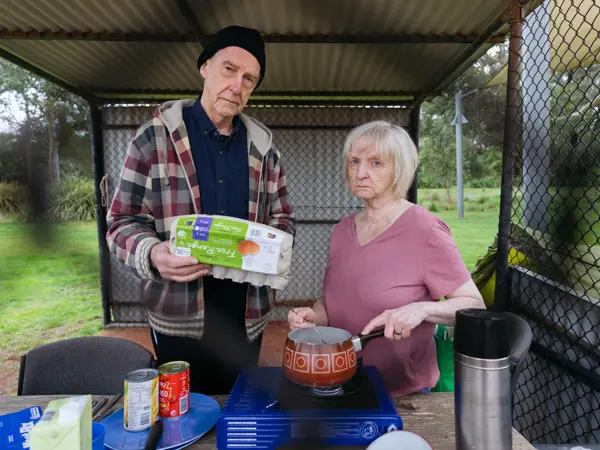
People aged 50+
Maintain long-term housing and improve your health and wellbeing
We can help you if you have a history of homelessness, are entering public or community-managed housing, and if you are already in public housing but your tenancy is at risk.

Intensive case management
Monday to Friday, 9am–5pm
If you have complex needs and would like a creative and flexible service response, we can help you.
Youth services
Participation and Life Skills
Monday to Friday, 9am–5pm
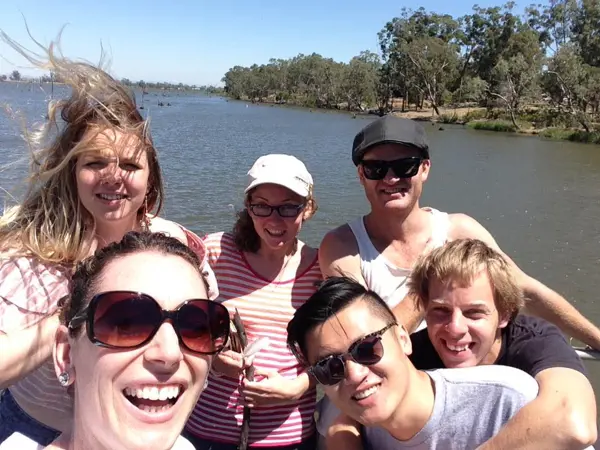
Youth Participation and Life Skills aim to engage and empower young people to participate and create positive change in their community.
This is done through wellbeing programs such as the Positive Lifestyle Program and school holiday activities and day trips.
Voluntary "conferences"
Monday to Friday, 9am–5pm
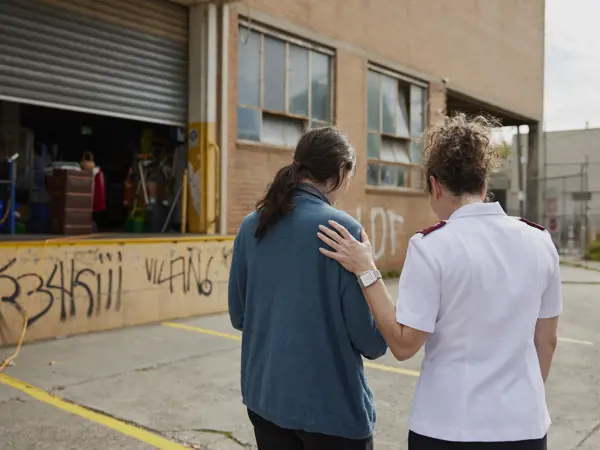
If you are required to present at Children's Court, you may be able to participate in a Youth Justice Group Conference or Youth Diversion Conference (referrals via the Court system). Here, you can talk about what happened, consider the impact of the offending, and how to repair the harm caused.
The Salvation Army also runs restorative conferences to support young people to repair damaged relationships.
Homelessness and housing
Monday to Friday, 9am–5pm
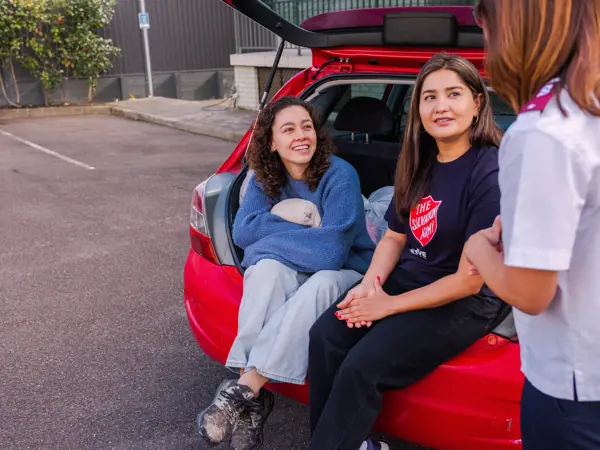
Young people aged 16–25 years who are homeless or at risk of homelessness can receive support from case managers to achieve their housing goals. This support includes addressing issues that may have contributed to their situation, including family reconciliation and referral to specialist services.
Referrals: Beyond Housing: 49 Stewart Street, Shepparton.
Accommodation Program
24-hours, 7-days a week
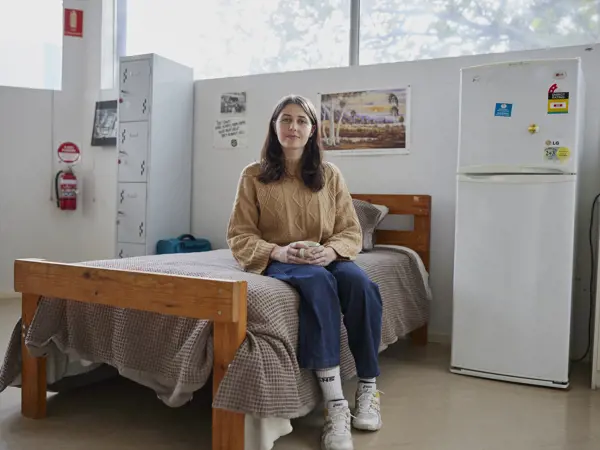
Funded to provide up to eight weeks of accommodation for young people aged 16–25 years. This supports them while they find sustainable housing. While residing in the accommodation, young people are expected to engage with the community, including connecting with professional services, continuing education, and actively seeking employment.
Referrals: Beyond Housing: 49 Stewart Street, Shepparton.
Co-located youth services

Justice community support
Referrals occur via the Department of Justice and Regulation Victoria.
This approach provides intensive support and services to Youth Justice clients, working alongside the statutory case management delivered by Youth Justice units.
The service was developed in recognition that Youth Justice clients often have complex and varied needs that require an individualised service response.
Outreach Connections
This program supports some of the most marginalised people in our community in the Hume region; those that are homeless, have multiple disabilities or complex needs, are socially isolated and are unable to access mainstream services.
This is achieved through a community-based assertive outreach model where case managers "seek and find" people who are living rough in geographically isolated areas (visiting local parks, gardens, reserves, river banks) who cannot access other services or supports.
Community meal
Cost: $5.00 (if you can)
More than just a meal, a community.