Latest news
Major Flash Flood – Nepal
The emergency
A major flash flood struck Rasuwa District after a sudden and intense surge of water entered the Bhote Koshi River from Tibet (China) at 9:15am on 26 August 2026. The flood rapidly impacted several communities, causing significant damage to settlements, markets, infrastructure, roads and hydropower facilities. 19 bridges and 40kms of highway have been swept away.
A glacial collapse caused large amounts of rock, ice and meltwater into valleys below, triggering the floods. With no rainfall reported in the area, residents had little warning of the disasters (seconds or minutes) and were going about their daily routines when the flood struck.
Continuing rising and accumulating water levels could affect downstream communities in the coming days, with a potential new flood forecast.
As of 1 September 2026, Nepal’s National Disaster Management Authority confirmed 987 deaths with 3916 still missing (including 583 foreigners). 11,814 people have been rescued.
The humanitarian response
The Government of Nepal has mobilized search and rescue teams, and has identified food, drinking water and temporary shelter urgently required for the affected communities. Access to the area is challenging, and communication infrastructure has also been affected.
The Salvation Army’s response
27 August 2026: The Salvation Army’s rapid response aims to provide immediate, practical and compassionate assistance to victims and families affected by the Bhote Koshi flood disaster, helping them meet their most urgent humanitarian needs and begin the process of recovery. The Salvation Army in Nepal expects to provide food, blankets, emergency lights, soap and towels to those who need them. Communities in the target area were supported by The Salvation Army during COVID-19, and so local community members have requested support once again. The response will be in coordination with district and municipal authorities
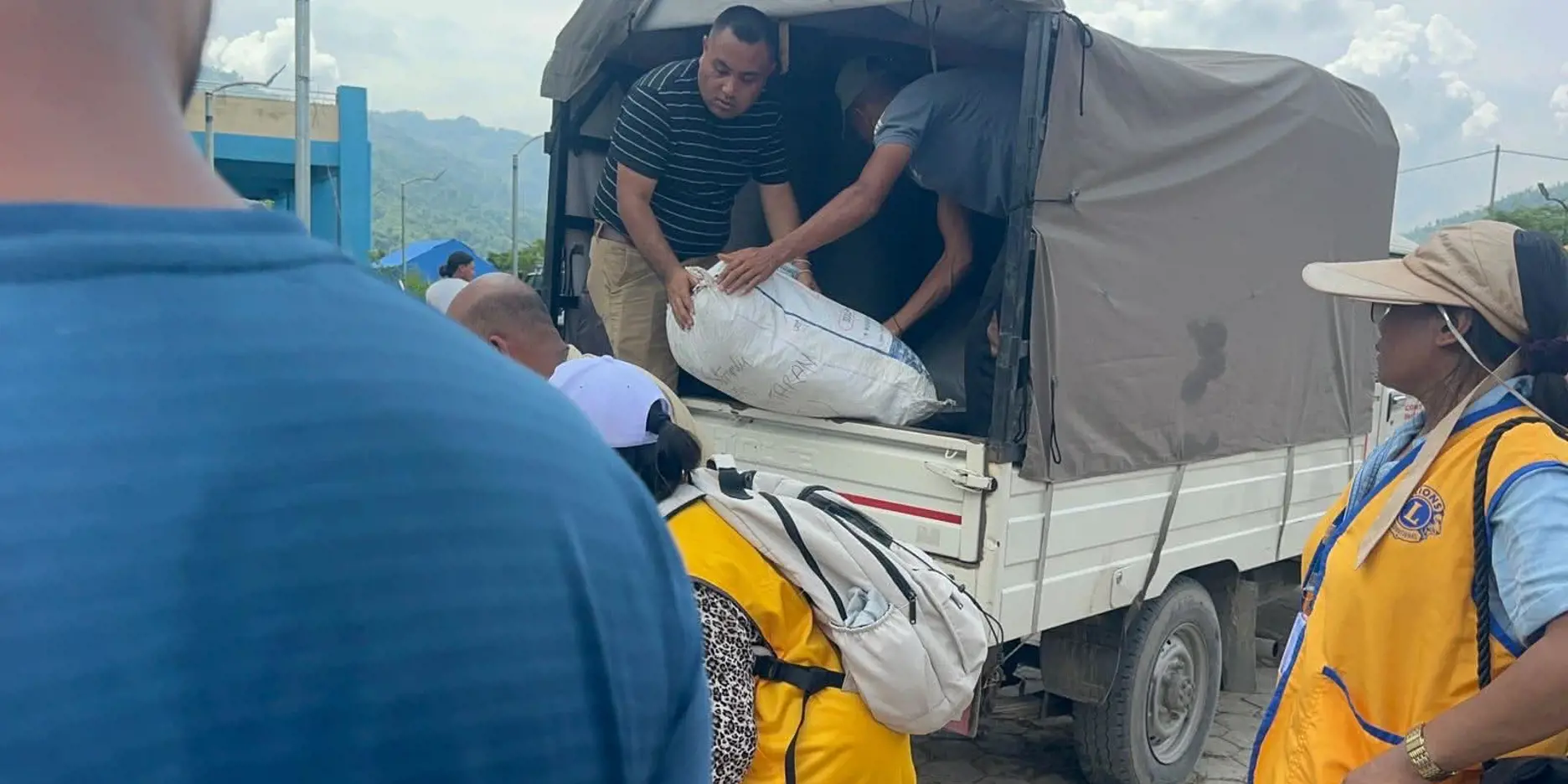
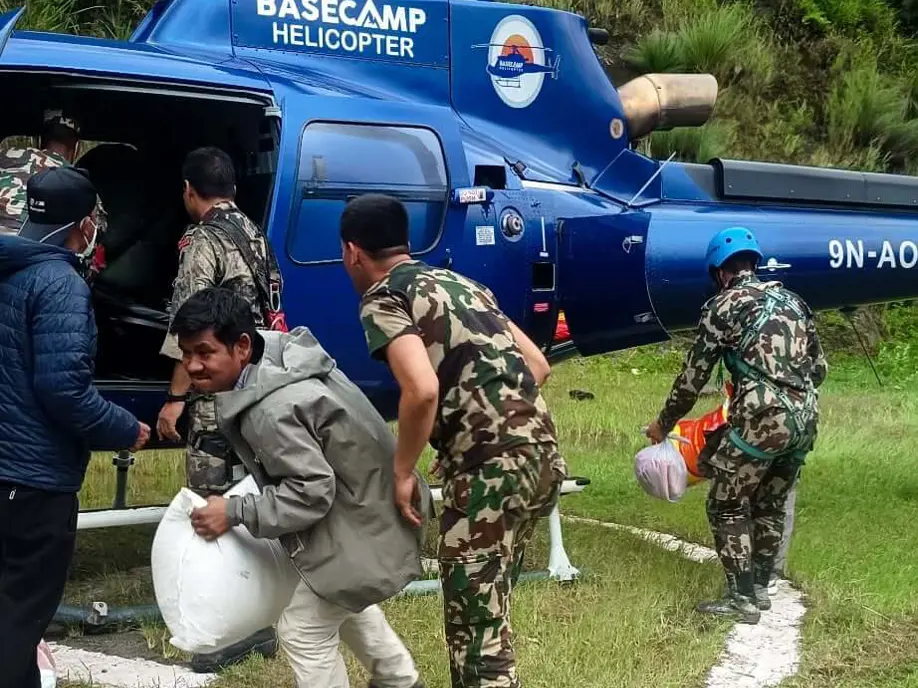
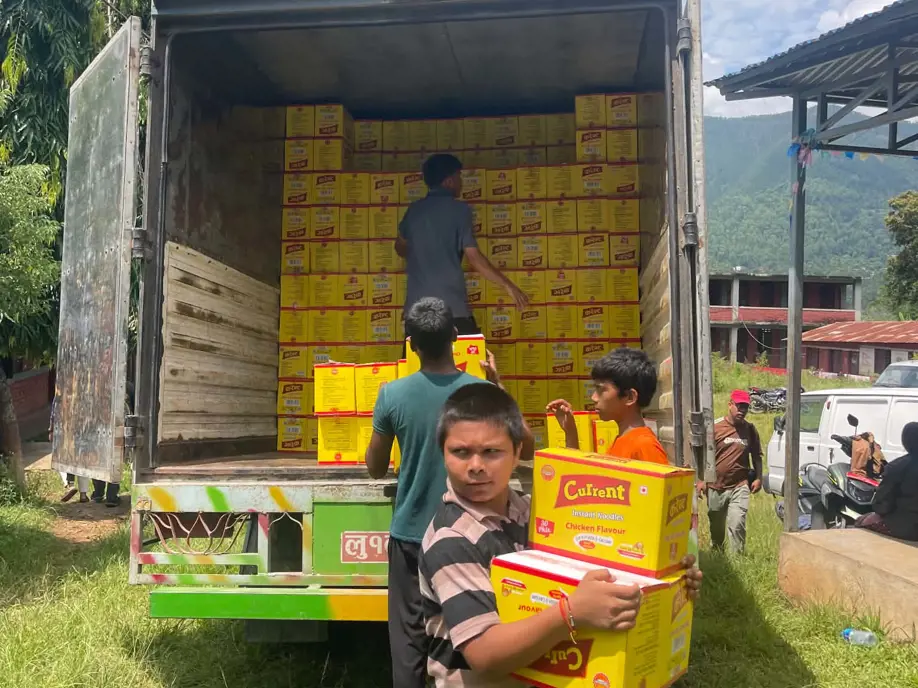
2 September 2026: The Salvation Army's personnel have not been able to reach the affected area yet - due to roads and other transportation route being washed away. However, a contact/partner has visited some of the affected areas, via chartered helicopter, and completed an initial assessment. They reached Dhunche and Syafrubesi and, during the visit, collected some data on the situation and distributed a limited quantity of basic relief items including inner wear, clothing, blankets, thin mattress, noodles, soap and rice. The Salvation Army have supported their effort through local contribution.
Funds have been sent to The Salvation Army Nepal in order to scale-up the response, and are due to be released by the local bank following a local disbursement process. As soon as this process is completed, The Salvation Army Nepal will proceed with the procurement and distribution of relief items. The Salvation Army Nepal continue to coordinate with the Social Welfare Council (SWC) to ensure their effective contribution to the response.
Related news