
Latest news
More than a game: Navigating faith, community and the world of e-sports
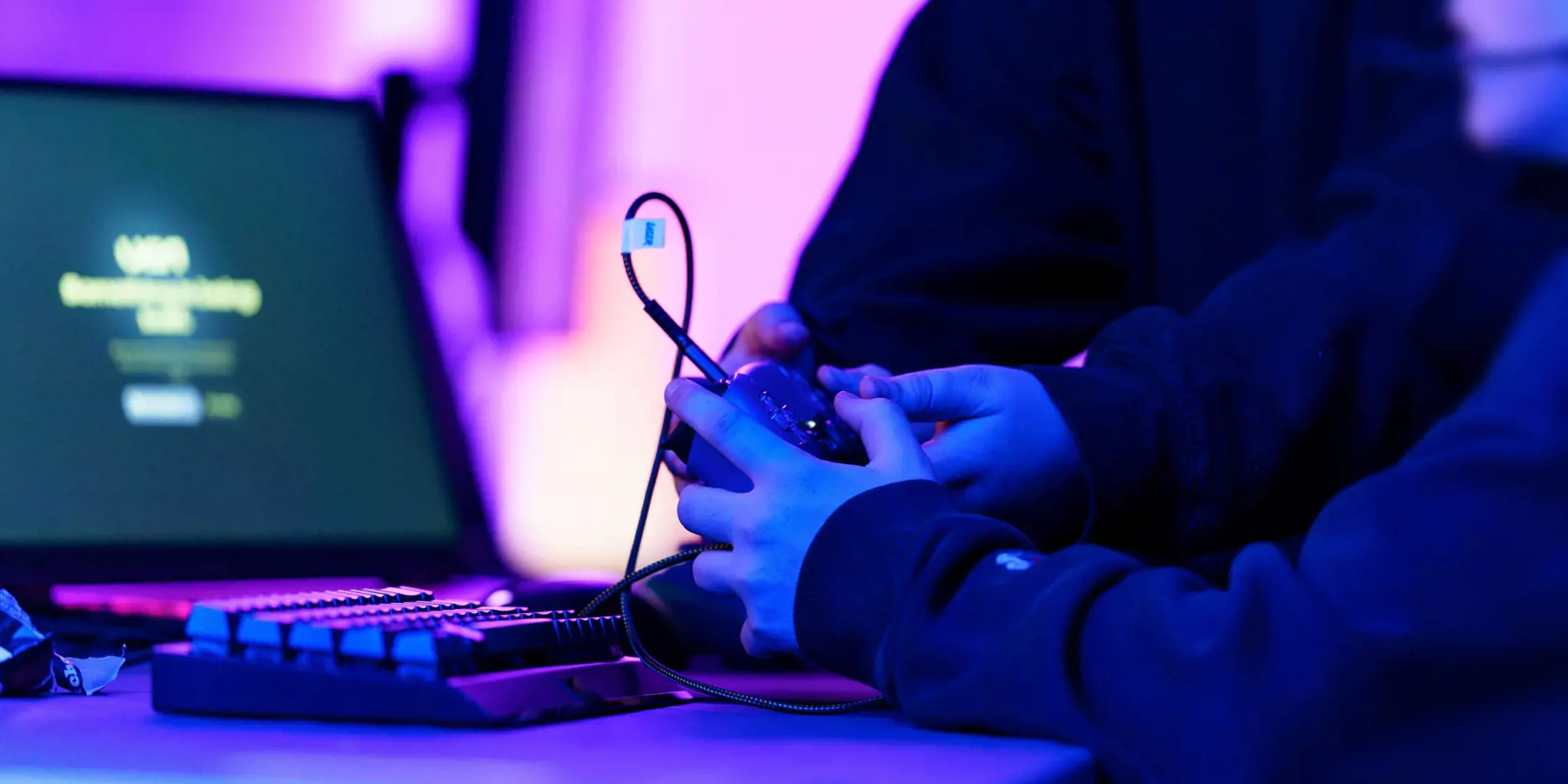
Gaming and e-sports are at the heart of a major global culture, with billions of people playing, watching and connecting worldwide. Yet for many schools, parents and faith communities, it can be a difficult world to navigate. A growing relationship with Universal eSports Network (UEN) is bringing the Salvos into this space — helping to create safer environments, build relationships and give gamers opportunities to explore and grow in Christian faith.
Quick facts: Gaming, faith and community
- The Salvos connection: Universal eSports Network (UEN), an Australian Christian gaming organisation, has been involved in Salvation Army youth events and camps.
- Building relationships: Gaming can give young people a shared activity through which to meet others, build friendships and connect with local faith communities.
- Online safety: UEN says its online spaces use moderation, filters and child-protection measures to address bullying, abusive content and inappropriate links.
- Healthy balance: At camps, UEN’s gaming electives include time away from screens for outdoor and creative activities.
- Exploring faith: UEN offers opportunities to explore Christian faith while welcoming gamers who come simply to play and connect.
Mention online gaming to many parents, grandparents or educators, and it probably won’t be long before some familiar concerns come up — too much screen time, addiction, online trolls, cyberbullying, toxic communities, young people talking to strangers on the internet…the list goes on.
These are legitimate concerns, as the darker side of online gaming is very real.
But that is only part of the story.
Around 3.6 billion people worldwide played video games in 2025, according to games market research company Newzoo.
And gaming is no longer only about the person holding the controller.
E-sports is the competitive side of video gaming, where players and teams compete in organised games and tournaments. Like traditional sport, it also has spectators, with audiences watching competitions and following teams and players online.
Gaming itself has also become increasingly social.
A calling to support the gaming community
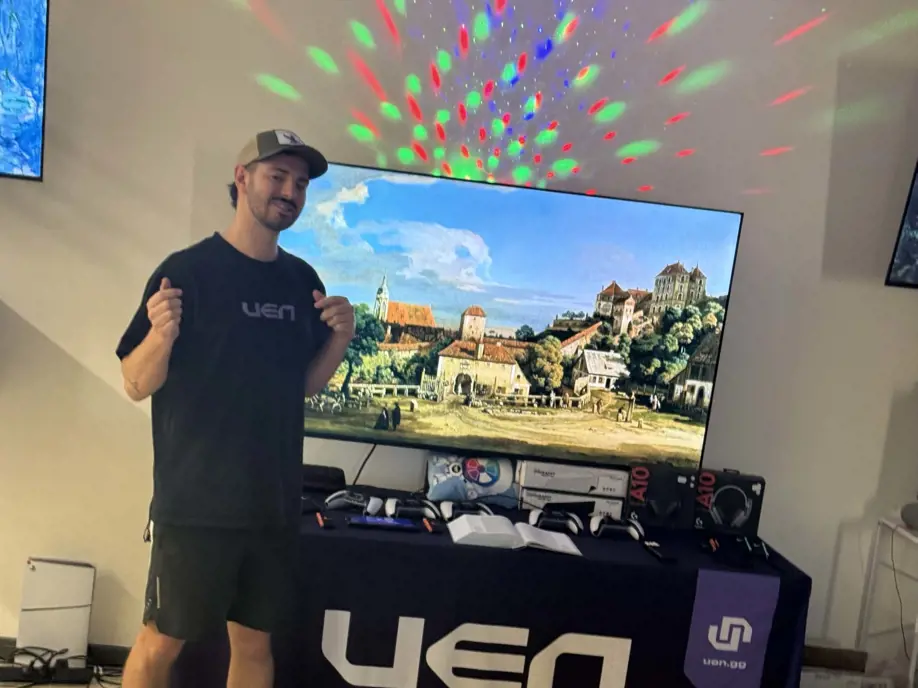
For Jake Wilson, founder of Universal eSports Network (UEN), an Australian Christian gaming organisation, those numbers make this cyber world far too significant to dismiss.
As he began looking more closely at gaming and e-sports, other questions followed.
‘Who’s impacting this in a positive way? Who’s combating the toxicity that’s in that? Are there healthy gaming environments? Is faith even an element of the gaming world?’
A lifelong gamer, Jake had spent years in Christian ministry alongside work in business and startups. During COVID-19, a corporate role and connections with a philanthropic organisation led him to look more closely at gaming and e-sports — and who was working to make this enormous social world healthier and explore faith within it.
Then, during a conversation about Christian faith and care within the gaming community, a long-forgotten teenage prayer came back to him.
“I had a memory flashback to me praying to God when I was 16 years old, saying, ‘Hey, all I want to do is be able to play video games and impact your kingdom.’”
From online connection to real-world community
Today, UEN works online and face-to-face with churches, schools, camps and youth groups, with a strong focus on supporting online connections, but also connecting gamers into real-world community support.
“Our online environments have a direct pathway to an in-person expression or an in-person community,” Jake says. “And then if you interact or engage with us in person, we have a pathway for you then to be a part of our community online. So they cross over.”
UEN works with churches and in schools, covering areas such as safe gaming and online bullying, and offers workshops for parents.
While openly Christian and faith-driven, if a young person connects simply because they are an avid gamer — as many do — Jake says, “They are fully welcome and involved and we want them to be a part of our community.”
Safety is another priority. Online spaces are moderated, with systems to block abusive or bullying material and inappropriate links, alongside child-protection measures and relevant checks for leaders.
“It’s as safe as you can get online, essentially,” Jake says.
Time to enjoy the outdoors
Despite UEN being built around gaming, part of learning to game well involves knowing when to put the controller down.
At camps, including Salvation Army camps, UEN builds outdoor time into its electives.
The response is not always initially enthusiastic.
“They’re like, ‘What do you mean? I signed up for this elective. I thought I was just going to play video games the entire time’,” Jake smiles.
Participants might instead head outside to create their own game on paper or do something else creative.
By the end of the week, Jake says, the reaction has changed.
“They can’t wait for it,” he says.
“It instils something in them and they go, ‘Hang on, I actually feel way better when I spend time out in the sun and outdoors instead of just looking at my screen.’”
‘I was just blown away’
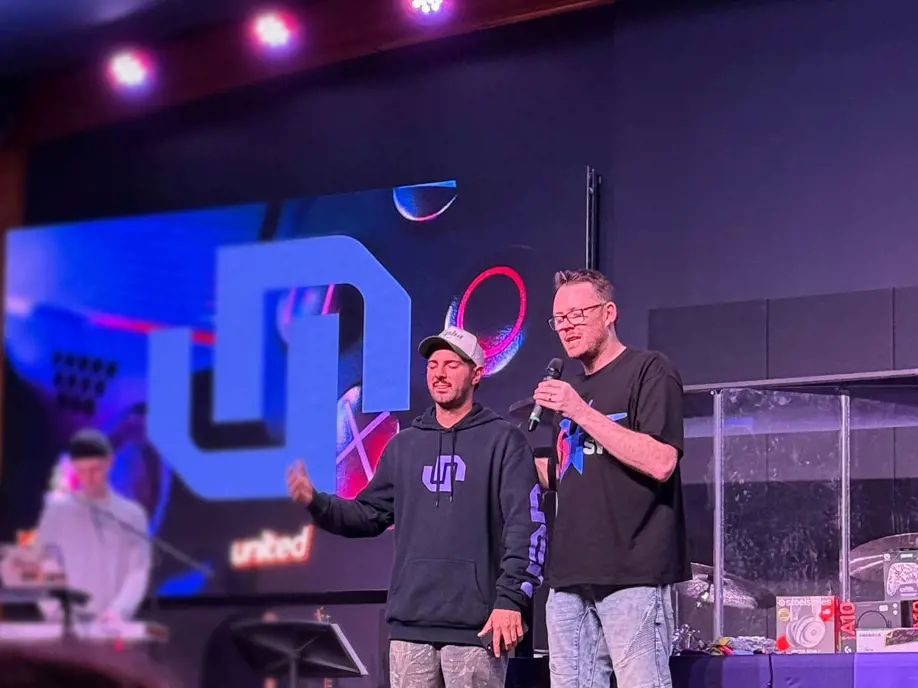
For Melissa Purcell, The Salvation Army’s Youth and Young Adults Secretary — Integrated Mission and Resourcing Department, the possibilities became clearer the first time she saw UEN in action.
Melissa was visiting a large youth ministry in Melbourne, not knowing Jake and the UEN team would be there.
“I was just blown away because it was like 400-plus young people in the room that night,” she recalls.
What fascinated her was how the two-person UEN team could engage such a large group so completely.
It made Melissa think about what this could mean for The Salvation Army and the young people it already meets in local faith communities, as well as families who come to the Salvos for practical help with things such as food and bills.
“This is an incredible opportunity to have something different that’s not your standard program,” she says. “It’s something we can offer … to help engage with young people in our communities.”
UEN has since been involved in a growing relationship with Salvation Army youth events and camps around Australia.
Melissa can see how gaming can give a young person who might otherwise stay on the edge of a gathering a natural way in.
“The best way to connect with a young person is to do something with them,” she says.
A leader can sit beside a young person, play a game and let conversation emerge more naturally — “How’s your day? What did you get up to? What’s going on?”
For someone who may feel awkward walking into a program or starting a face-to-face conversation, the game itself can provide common ground.
A belief in good for our young people
Melissa sees the same dynamic at home.
Her 15-year-old son will come home and game with his friends.
“He’ll be up there laughing his head off,” she says, “chatting with his mates, playing a game, and that’s their social connection.”
For Melissa, recognising that matters.
Gaming is not simply young people shutting themselves away, she says. Increasingly, it is one of the ways people spend time together.
“That’s the opportunity I see for The Salvation Army.”
There are already indications that gaming events can bring new people into contact with local communities and also onto a faith pathway.
Jake says UEN worked with 46 different youth ministries last year — not only Salvation Army groups — and nearly half told him their UEN event was their biggest youth night, with more new people at one event than they had ever seen.
Creating community connections
While questions around safety, connection and wellbeing in the gaming world can be complex, the goal at the heart of it is much simpler — creating communities where people are cared for and supported.
Jake puts it simply.
“All we want you to do is make meaningful connections with all the new people that come … and then build a relationship, so they feel welcomed, they feel loved.”
Gaming, young people and the Salvos: Quick questions
Related news