

Our History
Since 1890
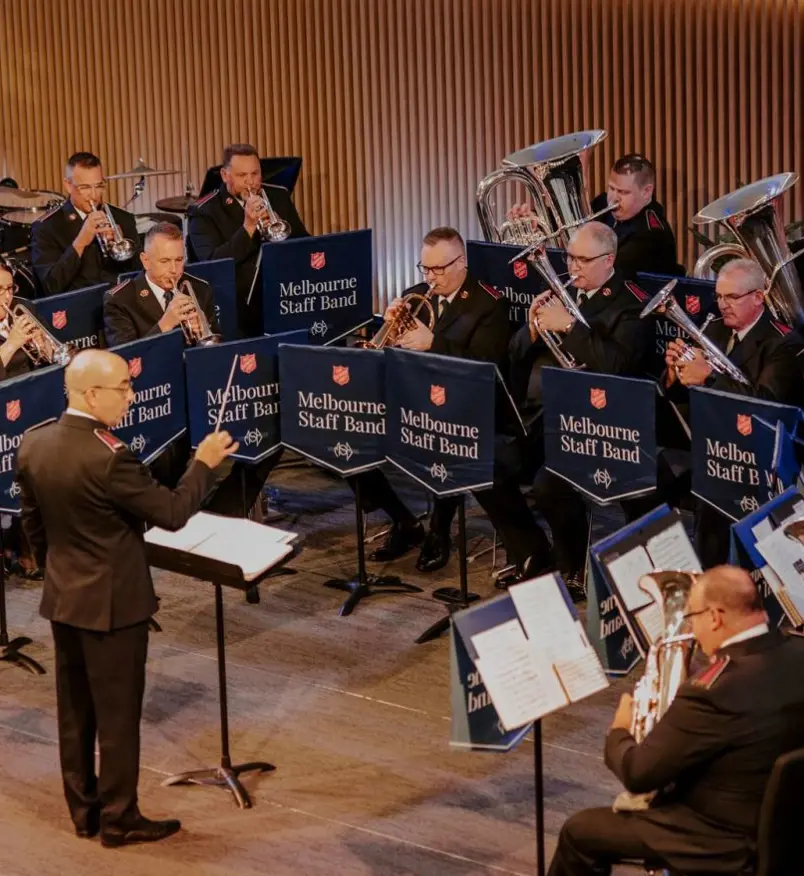
The Melbourne Staff Band was formed in 1890 and has served as a musical ministry of The Salvation Army for more than 135 years.
Across generations, the people, music and methods have changed, but the purpose has remained — to share the Gospel of Jesus Christ through music and to support the mission of The Salvation Army.
From its earliest years in Melbourne to ministry across Australia and around the world, the band has sought to combine musical excellence with Christian service. Its history is not simply a story of concerts, recordings and tours, but of generations of Salvationists offering their gifts in ministry.
The Early Years
1890 - 1914
The Early Years
1890 - 1914
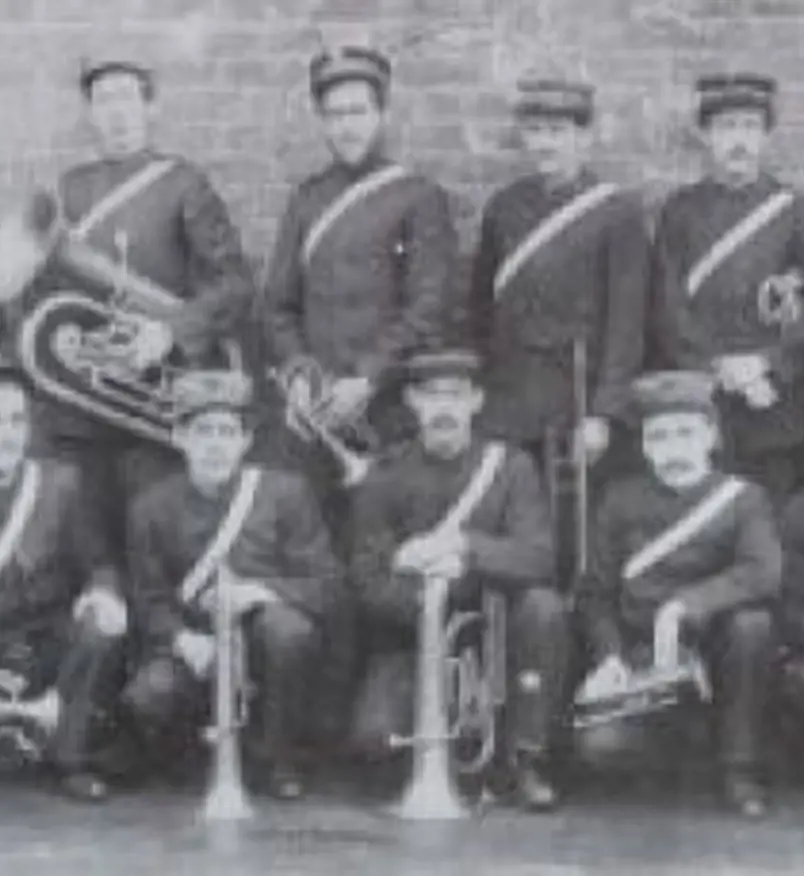
The Melbourne Staff Band began in 1890, at a time of extraordinary growth for The Salvation Army in Australia. As corps were established across the country, brass bands became an important part of the Army's ministry — attracting crowds, supporting meetings and helping proclaim the Gospel.
At Melbourne's Territorial Headquarters, Staff Officer Jeremiah Eunson brought together a small group of officers and employees to form what was initially known as the headquarters band. The War Cry reported on 22 February 1890 that the band had become an “established institution”, with Eunson as its Bandmaster.
Its beginnings were humble. Most of the original members were inexperienced musicians, and some were completely new to brass instruments. Eunson himself arranged the music, trained the players and conducted the band. Yet progress came quickly. In 1899, the band made its first interstate journey, travelling to Adelaide to support a visit by General William Booth. Contemporary reports praised the band's playing — a remarkable transformation in less than a decade.
During these formative years the band was led by Jeremiah Eunson (1890–1896), Ebenezer Jackson (1896–1903), George Cater (1903) and William Gore (1904–1914). Their leadership helped establish a musical ministry that would continue for generations.
Through Changing Times
1914 - 1945
Through war and change, the MSB found new ways to share the Gospel, from public ministry and civic occasions to broadcasts and recordings.
Through Changing Times
1914 - 1945
The years between 1914 and 1945 brought enormous change, both for the Melbourne Staff Band and the world around it. William Rook became Staff Bandmaster in 1914, followed by George Dickens in 1929 and Norman McLeod in 1936.
The band's ministry continued to grow beyond the streets and halls of Melbourne. By 1924, the MSB was broadcasting, and in 1929 it made its first recording — opening new ways for its music and message to reach people. During the 1930s, the band also became a familiar presence at civic and royal occasions throughout Victoria.
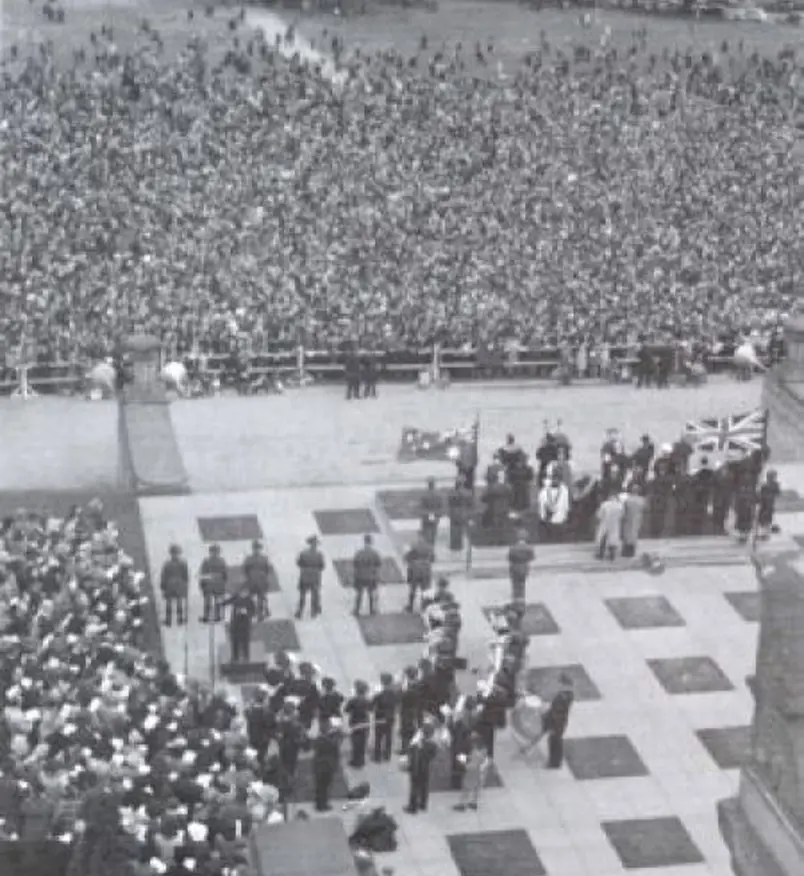
Through the difficult years of the Second World War, the band continued its ministry. Under Norman McLeod, broadcasts became particularly significant, with reports of people responding to the Gospel through what they heard over the air. In 1945, the MSB played at Melbourne's Shrine of Remembrance as the city marked victory in Europe.
New Horizons
1945 - 1969
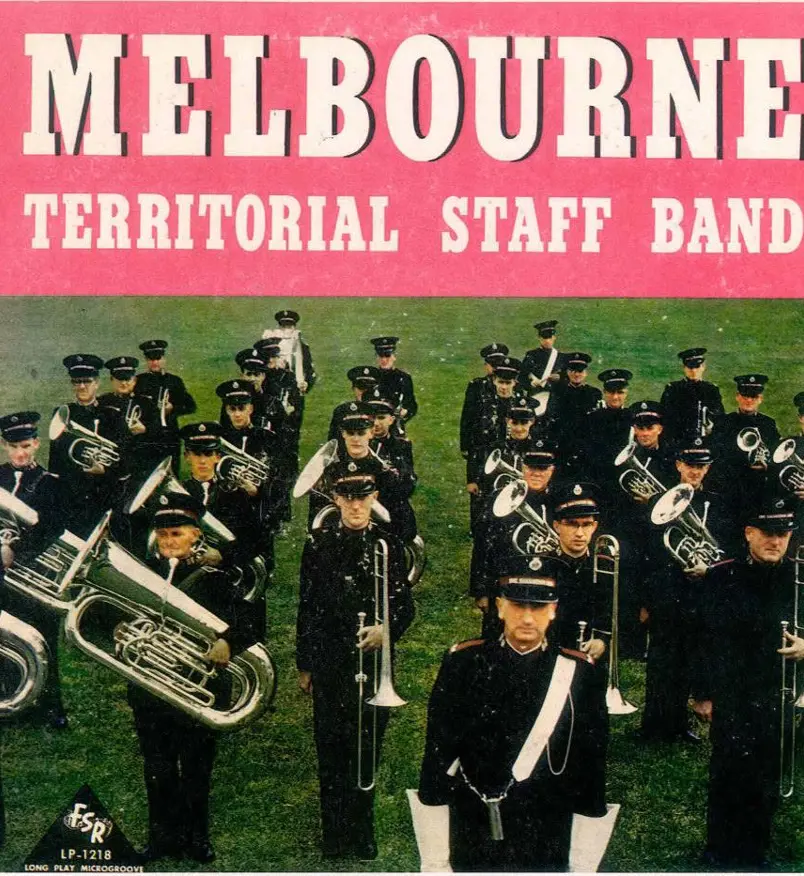
In the post-war years, the MSB's ministry continued to grow, culminating in its first overseas tour to New Zealand in 1959.
New Horizons
1945 - 1969
The post-war years brought new opportunities for the Melbourne Staff Band. Under Staff Bandmaster Norman McLeod, the band continued to build on the musical and ministry foundations established over previous decades.
A major milestone came in 1959, when the MSB embarked on its first overseas tour, travelling to New Zealand. It marked the beginning of an international ministry that would eventually take the band across the world.
Norman McLeod concluded 28 years as Staff Bandmaster in 1964, with Charles Scott taking leadership until 1969. Together, these years helped prepare the band for a new era of international recognition and opportunity.
An International Reputation
1969 - 1994
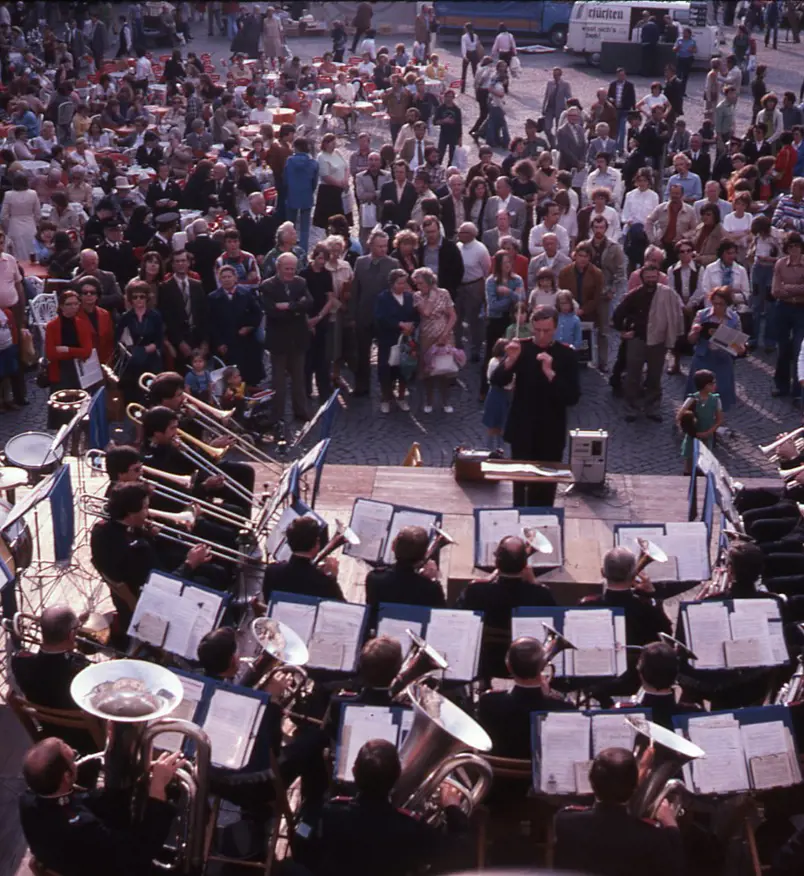
Under Colin Woods, the MSB's ministry reached new audiences around the world, while remaining firmly grounded in its Salvation Army mission.
An International Reputation
1969 - 1994
The appointment of Colin Woods as Staff Bandmaster in 1969 began a significant new chapter in the Melbourne Staff Band's history. Over the next 25 years, the band's musical ministry increasingly reached audiences beyond Australia.
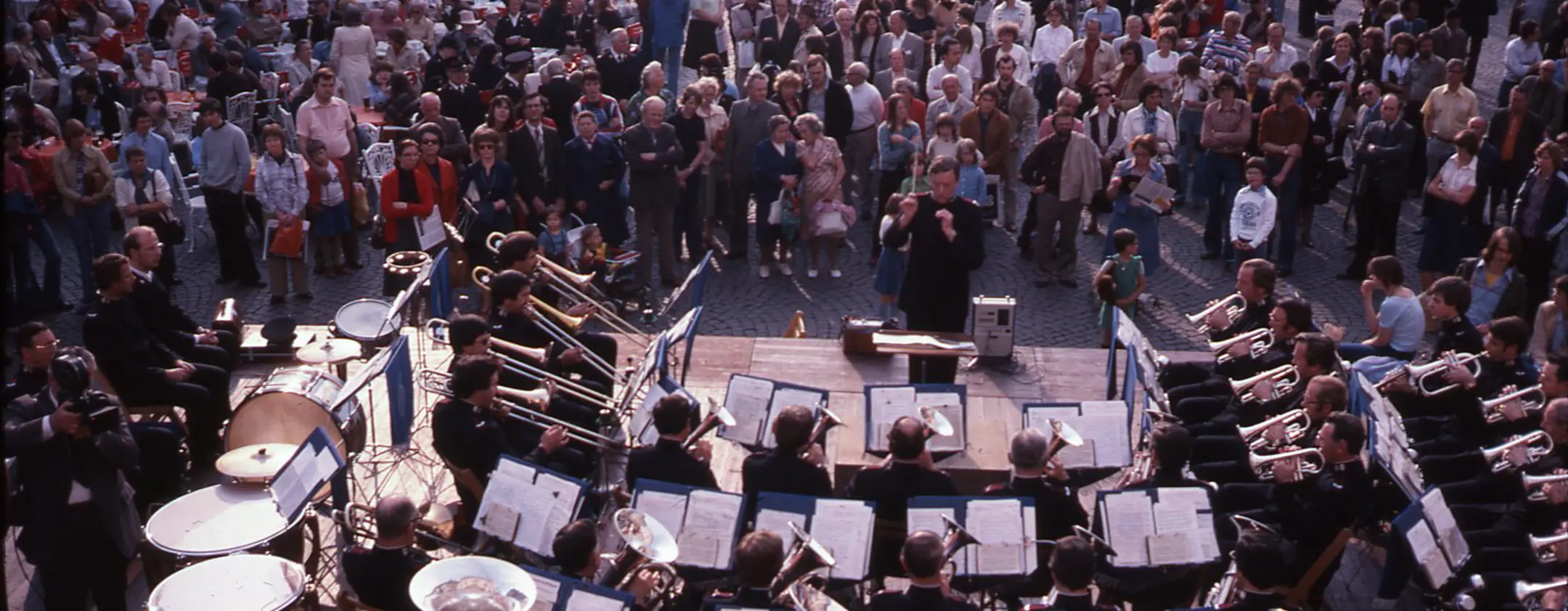
A defining moment came in 1978, when the MSB toured the United Kingdom and participated in The Salvation Army's International Congress in London. The tour helped establish the band's international reputation and included music written especially for the occasion, including Robert Redhead's Quintessence.
International visits, recordings and major Salvation Army events continued to broaden the band's reach, while its purpose remained unchanged — supporting the mission of The Salvation Army and sharing the Gospel through music. In 1990, the MSB celebrated its centenary, marking 100 years of continuous music and ministry.
Colin Woods concluded his 25 years as Staff Bandmaster in 1994, handing leadership to Ken Waterworth and beginning another significant chapter in the band's story.
Serving the Present Age
1994 - 2024
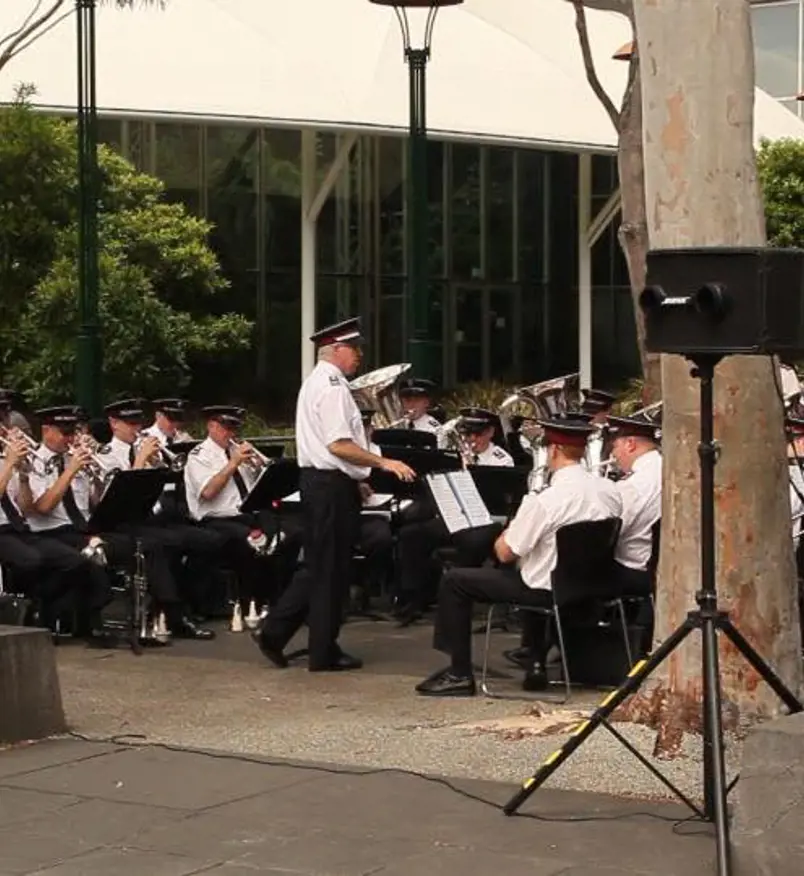
For 30 years, the MSB embraced new ideas and new opportunities while continuing its commitment to musical excellence and Christian ministry.
Serving the Present Age
1994 - 2024
Ken Waterworth became Staff Bandmaster in 1994, beginning a 30-year chapter in the Melbourne Staff Band's history. During this period, the band sought to remain relevant in a changing musical and Salvation Army landscape while maintaining the musical standards and Christian purpose that had shaped its ministry for generations.
New approaches became part of the MSB's presentation and repertoire. Multimedia was introduced, a band vocalist was appointed, and programs explored styles beyond traditional brass band music, including big band influences. The band also developed relationships with composers and musicians around the world, commissioning and presenting new music as part of its evolving ministry.
The MSB continued to travel extensively, visiting every Australian state and territory and undertaking international tours across New Zealand, North America, the United Kingdom, Europe, Asia and Africa. Alongside concerts and touring, investing in musicians remained important, with workshops, training and youth initiatives such as Future Brass and Impact Plus helping encourage another generation.
Ken concluded his tenure in 2024 after 30 years as Staff Bandmaster. The end of his leadership marked the close of a significant era for the MSB and prepared the way for the next chapter in a ministry that continued to adapt while holding firmly to its purpose.
Past bandmasters

1890—1896
Jeremiah Eunson
1896—1903
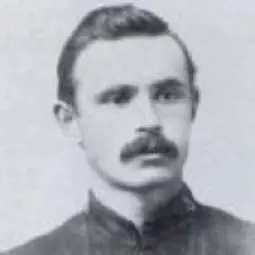
Ebenezer Jackson

1903
George Cater
1904—1914
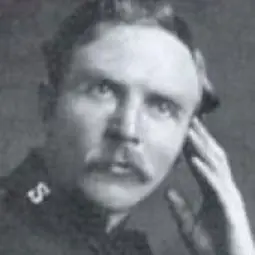
William Gore
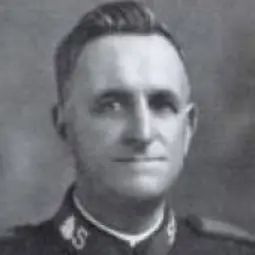
1914—1929
William Rook
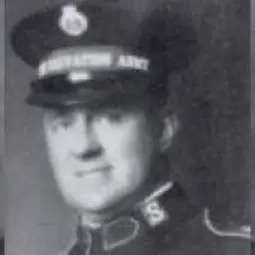
1929—1936
George Dickens
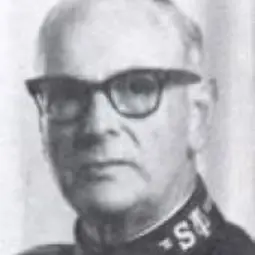
1936—1964
Norman McLeod
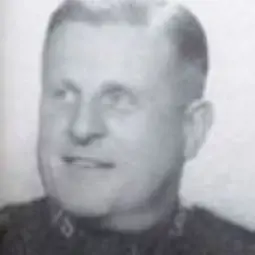
1964—1969
Charles Scott
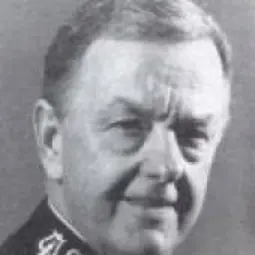
1969—1994
Colin Woods
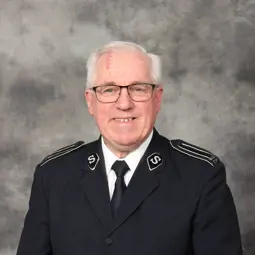
1994—2024
Ken Waterworth
The Story Continues
2025+
More than 135 years after its beginning, the MSB continues to pursue the same purpose — sharing the Gospel through music and ministry.
The Story Continues
2025+
A new chapter began in 2025 with the appointment of Mark Hamilton as the Melbourne Staff Band's 11th Staff Bandmaster. A long-serving member of the MSB, Mark brought extensive experience of the band's music and ministry to the role and was commissioned at Box Hill Corps on 2 March 2025. At that service, he was also recognised for 25 years of service with the band.
As he began his leadership, Mark identified courage as a theme for the band — encouraging its members to respond to the Spirit, engage with the communities and people they meet, and remain focused on Jesus rather than music alone. His desire is for the MSB to continue finding relevant ways to encourage others and share its Christian message.
The people, repertoire and opportunities may continue to change, but the purpose of the Melbourne Staff Band remains. From a small headquarters band in 1890 to the MSB of today, generations of Salvationists have offered their musical gifts in service to God and others.
More than 135 years later, the story continues — with new opportunities, new generations and the same Gospel at its heart.
Continue exploring -
We exist to extend the Kingdom of God and to encourage Christians in their faith and ministry through the pursuit of excellence in music and the spoken word.
Come and Experience an MSB Rehearsal