

Financial hardship and inclusion
Although poverty is often hidden in Australia, it can be a crushing reality for those experiencing it.
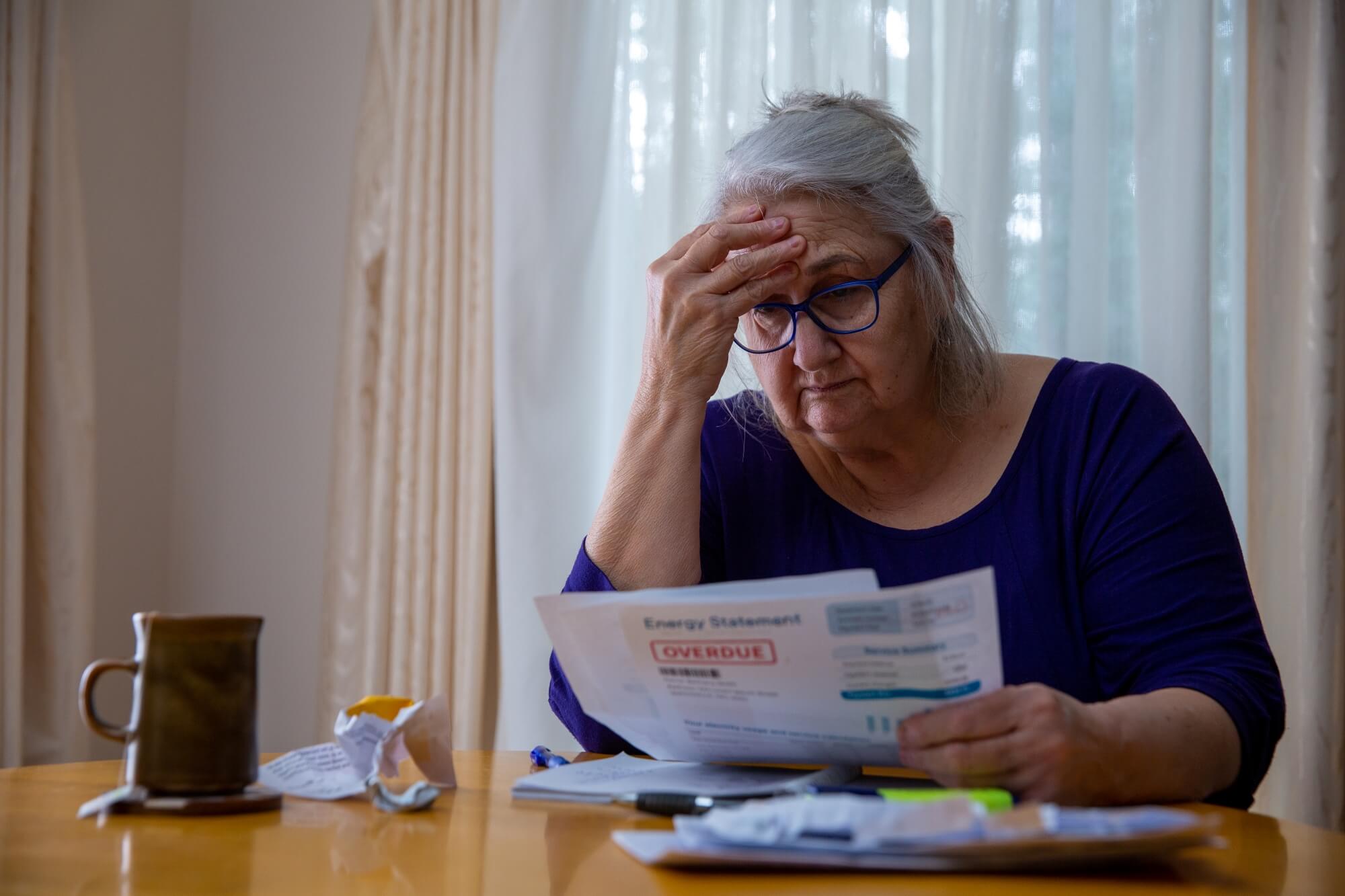
Financial hardship often involves making impossible choices between essentials — food or rent — and being in a near constant state of worry and stress about having your basic needs met. Stress around financial pressures can have negative impacts on people’s health and wellbeing. Fear, shame, and the feeling of being trapped cause significant harm, and individuals may withdraw from community and friendships, becoming isolated. Experience of poverty can easily change a person’s life trajectory, impacting employment, housing, education and health outcomes for much of their life.
Many Australians are only a few financial shocks away from severe financial hardship, that could look like losing a job, sudden or chronic illness or a relationship ending. It’s important that we build our system so that a financial shock does not mean long-term experiences of poverty. Unfortunately, our current social welfare system is not fit for purpose. People who are relying on income support payments are unable to afford necessities, often having to go without meals, falling behind in payments, or having to access debt to stay afloat. This is the case no matter how savvily or carefully they budget. Such a low income makes it hard to find secure and stable employment and can lead to long-term unemployment, social isolation, entrenched poverty, and intergenerational disadvantage.
Cost of living pressures are affecting almost all Australians but they are not affecting us equally. It is critical that we make sure those who are doing it toughest can still have their needs met.
Recent news
