

Latest news
How to support children through grief
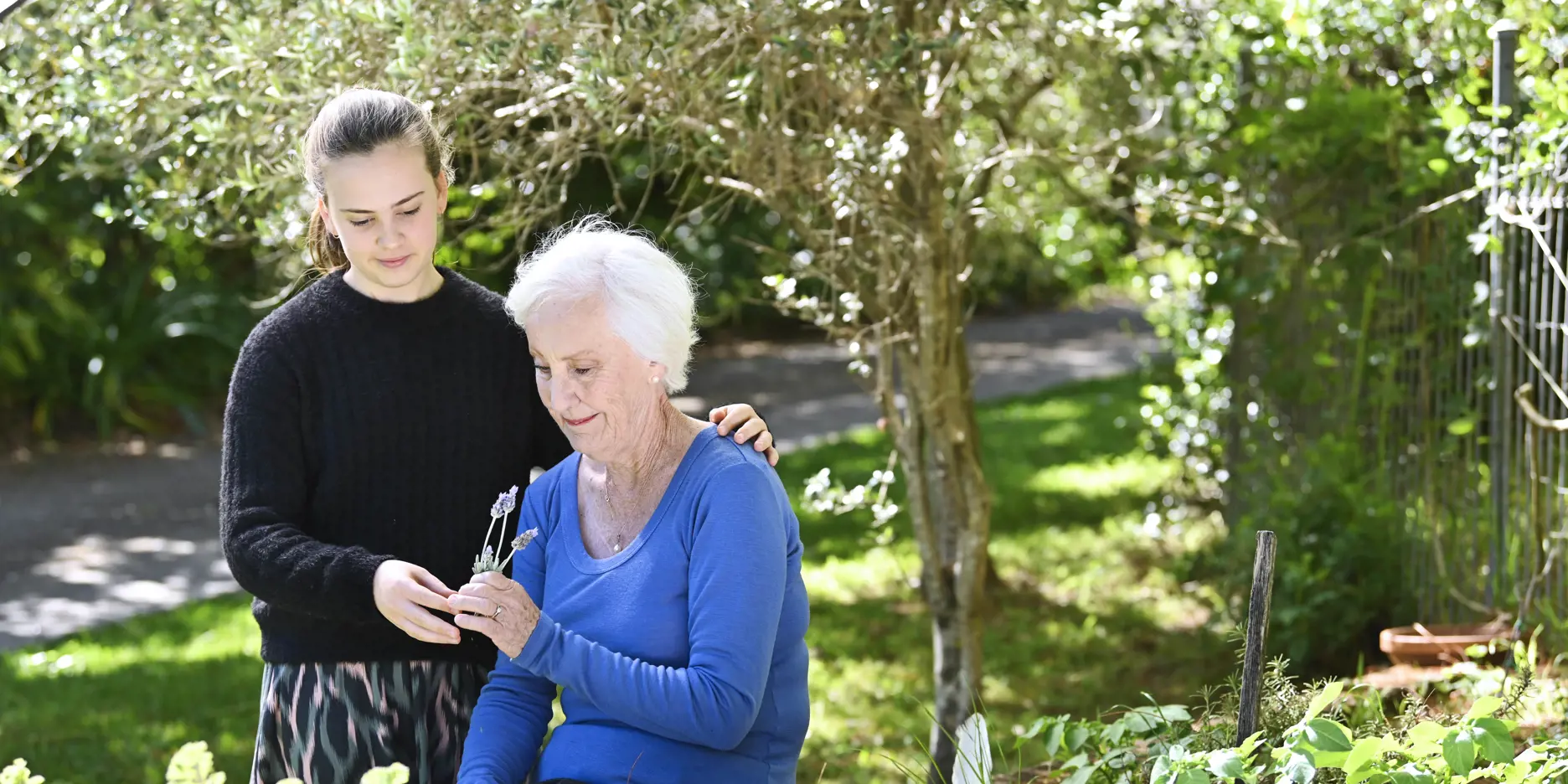
When you're grieving someone you love, even everyday decisions can feel overwhelming. Supporting a child through the loss, while carrying your own sadness, can be especially difficult.
You may be wondering how to explain what has happened, how to help them understand their feelings, or whether to include them in the funeral. Will seeing others grieve be too much for them? Could being there offer them comfort and an opportunity to say goodbye?
Every child experiences grief differently. Their age, personality, relationship with the person who has died and the circumstances of the loss can all influence how they respond.
Whether you're a parent, grandparent or another trusted adult, there is no single right way to support a grieving child. The following guidance offers practical ways to help children understand loss, express their feelings and feel supported.
Key takeaways
- Explaining death: Use clear, simple and honest language. Avoid phrases such as "went to sleep", which can be confusing or frightening for young children.
- Funeral attendance: Attending a funeral can help children feel included and say goodbye. Explain what to expect, involve them in decisions where appropriate and arrange support on the day.
- Individual support: Every child grieves differently. Follow their understanding, feelings and needs rather than relying on age alone.
How children understand death and grief at different ages
Children's understanding of death develops as they grow. While age can offer some guidance, children of the same age may understand and respond to loss very differently.
You don't need to have all the answers. Simple explanations, patience and reassurance can help children begin to make sense of what has happened.
How to talk to a child about death
Finding the right words can be difficult, particularly when you're grieving too. Although it may feel gentler to avoid words such as "died" or "death", clear and honest language can help children understand what has happened.
Start with what the child already knows. Offer information a little at a time and allow their questions to guide the conversation.
Talking about faith and the afterlife
Many children will ask what happens after someone dies. How you answer may depend on your family's beliefs, culture or faith.
Religious or spiritual beliefs can provide comfort and help children make sense of loss. For Christian families, this may include explaining that they believe their loved one is now with God in heaven. Other families may have different beliefs or ways of understanding death.
You might say:
- "In our family, we believe that Grandma is now with God in heaven."
- "Our faith teaches that death is not the end."
- "Different families and cultures have different beliefs about what happens after death."
Alongside these conversations, continue using clear language about what has physically happened.
For example: "We know that Grandpa died and that his body has stopped working. We also believe that he is now at peace with God."
Avoid explanations suggesting that God "needed" or "took" the person, as these may leave children feeling frightened or confused.
Salvos Funerals is part of The Salvation Army, a Christian church, and welcomes families from all cultural, religious and non-religious backgrounds. Our team can help you plan a farewell that respects your loved one's wishes and your family's beliefs.
You can learn more about our approach in our frequently asked questions.
Should children attend a funeral?
Deciding whether a child should attend a funeral can be difficult, especially when you're unsure how they may react.
For some children, being part of the farewell can help them understand what has happened, feel included and begin to say goodbye. Others may find the experience overwhelming or prefer to remember their loved one in a different way.
There is no single right decision. Consider the child's age, understanding, relationship with the person who died and individual needs. The most important thing is to help them understand their options and feel supported in whatever they decide.
If you're making funeral arrangements, our caring team can guide you through the available options and help you consider ways to include children in a meaningful farewell.
How to support a grieving child after the funeral
A funeral is one part of learning to live with the loss of someone you love. Children may continue to have questions, experience changing emotions or revisit their grief as they grow and develop.
Ongoing patience, understanding and reassurance can help them feel supported in the weeks and months ahead.
Recognise how grief may appear
Children don't always express grief through words. Common responses may include:
- Irritability or anger
- Withdrawal from friends or activities
- Difficulty concentrating
- Changes in sleeping patterns
- Increased clinginess
- Repeated questions about death
A child may move between sadness and play quite quickly. This doesn't mean they have forgotten the person who died or that they aren't grieving.
Try to maintain familiar routines and offer opportunities to talk without expecting them to share before they're ready. It can also help to let their school or childcare service know what has happened, so familiar adults can provide additional understanding and support.
Find meaningful ways to remember
Remembering a loved one can be an important part of helping a child feel connected to them. Simple activities might include:
- Creating a memory box with photographs and keepsakes
- Looking through family photo albums
- Sharing favourite stories
- Drawing pictures or writing letters
- Lighting a candle on special occasions, with adult supervision
- Visiting a place that holds special memories
These moments can help children understand that although someone has died, the love and memories they shared remain important.
Know when to seek professional support
Many children find their way through grief with the care and support of family, friends and other trusted adults. However, some may benefit from additional help.
Consider seeking professional guidance if a child experiences severe or persistent difficulties, such as:
- Ongoing anxiety or distress
- Significant changes in behaviour
- Continued sleep difficulties
- Withdrawal from friends or activities
- Difficulty managing everyday life
A GP, school wellbeing professional or qualified child bereavement counsellor can help you understand what support may be needed. You don't have to wait until things feel unmanageable to ask for help.
Further information and support
If you're looking for additional guidance, the following organisations offer information and resources for families supporting grieving children.
Frequently asked questions
Helping children grieve with understanding and support
There's no perfect way to help a child through the loss of someone they love.
Take it one conversation at a time, listening to their questions, acknowledging their feelings and reminding them that they are loved and cared for.
If you're grieving too, be gentle with yourself. You deserve care and support along the way.
With patience, understanding and the support of people they trust, children can begin to find their own way through grief while continuing to remember the person they love.
Here to support you and your family
Planning a funeral while supporting a grieving child can feel overwhelming.
Our caring Funeral Planners are here to listen, answer your questions and help you create a meaningful farewell that considers the needs of everyone in your family.
Whether you need guidance with funeral arrangements or simply want to understand your options, we're here to help whenever you're ready.
Related news