
Aircraft
Innovation
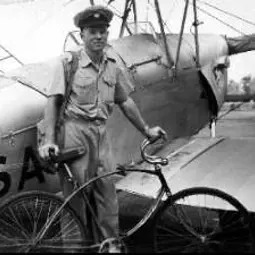
Captain Victor Pedersen saw the best way to provide ministry to people in some remote areas was by using an aeroplane.
1945
VH-ASA ex RAAF Tiger Moth (original registration A17–541)
Bought for the sum of £468 from the RAAF, the Tiger Moth aircraft was a humble little open-cockpit, two-seater aircraft.
1946
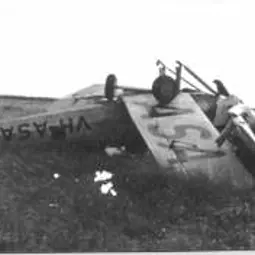
A forced landing in the Cambridge Gulf (north of Wyndham) in the top end of Western Australia caused the demise of this aircraft.
The lighting of a signal fire to attract attention and eventual help turned to disaster, when Spinifex grass (which covered the ground) enabled the fire to work its way against the wind and burn out a big area – including VH-ASA.
1947
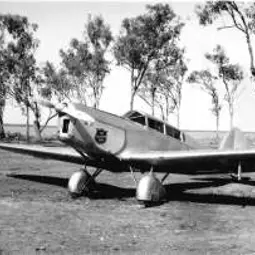
VH–UTP Percival Gull
Purchased in 1947 for £1,200 from P.G. Taylor, a famous Australian airman in the 1930s. This aircraft had many advantages over the Tiger Moth; it flew faster, had almost double the range, and carried a heavier payload. It was a wonderful aircraft to fly.
During February 1949, attempting to land in the Daly River area proved the undoing of VH-UTP. The strip proved too soft for the Gull and its undercarriage was damaged. The aircraft was brought back to Darwin on a semi-trailer and stored in an empty hangar. Later the aircraft was sold and it is still in use today.
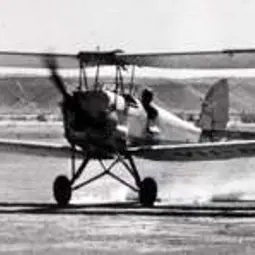
1949
VH–BJD Tiger Moth
In March 1949, VH-BJD a Tiger Moth was borrowed from Mr B Hingston and used to visit stations in the Victoria River District, an agreement was made that payment of £1 an hour flying time would be made. The aircraft was for sale at £400 and there was £80 owing for use of the aircraft; this amount was used as the deposit with VH-BJD being purchased by The Salvation Army.
Almost a year later returning to Darwin and just north of Katherine, the engine started misfiring. A tight turn was made toward Katherine and not long after a forced landing was made on the north side of Katherine River. The cause of the misfiring was a jammed exhaust valve. VH-BJD was returned to Darwin on the back of a semi-trailer, where repairs were made to the wings, and the engine received an overhaul.
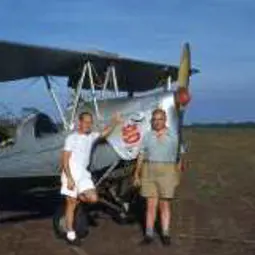
1955
VH-BJD was traded in on a new Auster Autocar aircraft VH-BYS.
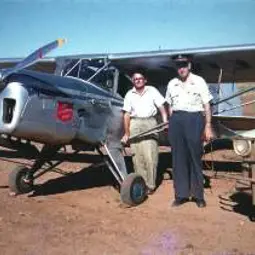
1955
VH-BYS Auster Autocar J5B
VH-BYS was flown to Darwin from Melbourne in July 1955 ready for use by The Salvation Army.
A visit to Mount Sanford Station in February 1961 was the downfall for VH-BYS. There was no airstrip at Mount Sanford at the time; there was however an open area near the house. Taking off at the conclusion of the pastoral visit proved the undoing. The soft surface of the ground, wind conditions and the load were factors that had a bearing on the aircraft sinking back into the bushes at the end of the clearing and turning over. There was no injury to the three passengers but the aircraft was severely damaged. It was decided it was cheaper to purchase another Auster than repair VH-BYS. The result was that VH-BYS was abandoned.
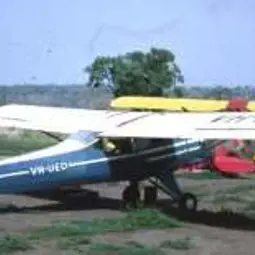
1961
VH–UED Auster Alpine J5Q
VH-UED was purchased in Adelaide for £2,400 and flown to Darwin. The Flying Service was relocated at this time to Katherine, VH-UED was also moved to Katherine.
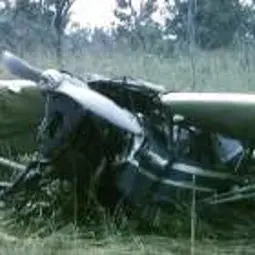
1966
On a return trip to Katherine VH-UED ran out of fuel a few miles north of Katherine a forced landing was attempted into trees in very rugged country. Considerable damage was done to the aircraft as well as injury to the pilot.
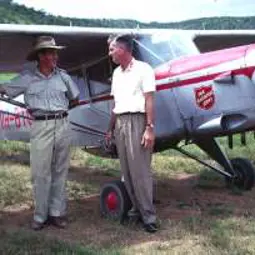
1966
VH–BTG Auster Autocar J5P
Purchased in Mount Isa in 1966 for £1,200. This was the best registration yet received. 'Bringing the Gospel' to the outback was the significance that was attached to it by Salvation Army personnel and those that were visited.
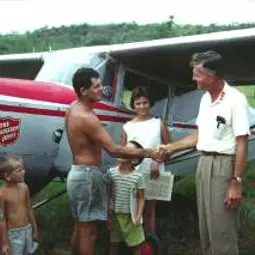
1970
The final trip for VH-BTG was in the West Kimberlies. It left Troughton Island and about 20 minutes from the Mitchell Plateau and the engine misfired.
The Flying Padre, Captain Vic Pedersen, recounted, "I did a steep turn towards land and a gush of oil hit the windscreen. My height was 3000 feet. By pushing the engine to its limits, I could almost maintain height."
Captain Pedersen managed to land on very soft mud flats near the coast, but the rising tide later covered the aircraft in several feet of water, the result being that VH-BTG went to a watery end.
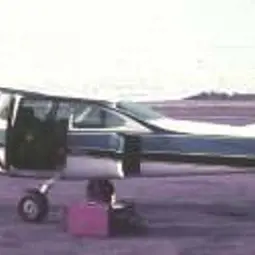
1970
H–KOG Cessna 182
Purchased in 1970 for $14,000, this was a big change for The Salvation Army — moving from the older type planes to the more modern and better equipped Cessna aircraft.
1974
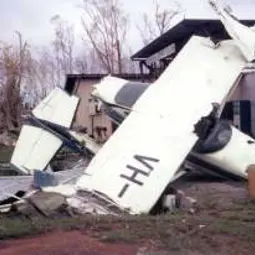
On Christmas Day 1974, Cyclone Tracey visited Darwin.
It destroyed the Flying Padre Services quarters and destroyed VH-KOG, which was literally cut in two when it was lifted from the tarmac at Darwin Airport and wrapped around a steel column of the aero club building.
Soon after, negotiations commenced to purchase a new aircraft, another Cessna 182.
1975
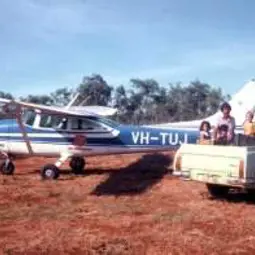
VH–TUJ Cessna 182
Purchased in Melbourne and dedicated by The Salvation Army's General Clarence Wiseman at Tullamarine Airport on 21 April 1975. It was then flown to Darwin by the Flying Padre.
VH-TUJ was traded in 1979 for $31,000.
1979
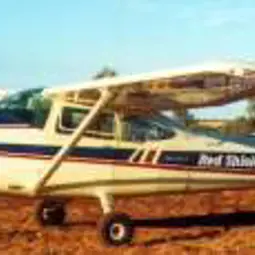
VH–SVA Cessna 182Q Skylane
VH-SVA was purchased in March 1979 for $54,000 and flown across from Orange, NSW. This plane was well recognised by its call sign — when people heard it on the radio, they knew straight away that the Salvos had arrived.
2002
After an accident at Darwin International Airport in July 2002, the aircraft was written-off and sold to wreckers in Bankstown, NSW.
2002
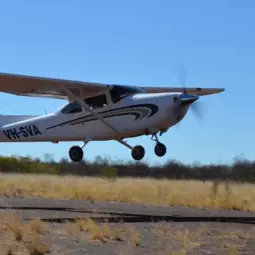
VH–SVA Cessna 182S Skylane Millenium Edition
Built in 2000 and purchased in October 2002 for $420,000 from New Zealand, this plane's original registration was ZK-SME.
After being ferried to Australia, it was re-registered as the well-known and much loved VH-SVA, becoming the latest aircraft to serve as the wings for The Salvation Army Flying Padre.
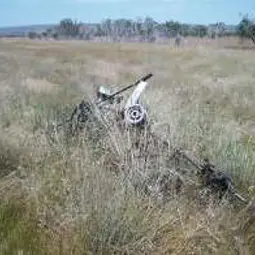
2007
VH-ASA is found!
In 2007, Major David Shrimpton was flying in the area where the first Tiger Moth had met its fate. David writes,
"With an incredibly rough ‘lat’ and ‘long’ marked on my map and GPS set to coordinates close to this mark — I went searching! Not expecting to locate the plane immediately, I was totally amazed when an object on the ground glinted in the sun and caught my eye. Unbelievably the markings on my map were within 20 metres of the wreckage of ASA.
It was quite difficult to curb my excitement of this sighting; and after circling several times at low level and carefully surveying the area, I cautiously landed on the mud flats and went to investigate! After capturing a few photos of the site, I began to fossick around the area and gathered several of the aluminium panels that were still in a reasonable condition. Although partly eroded, one panel included a faint outline of The Salvation Army Shield."
This panel has been donated to The Salvation Army's Heritage Centre at 69 Bourke Street, Melbourne.
Submit historical information
